
The best central vacuum system is the VacuMaid S2600. It offers powerful suction and long-lasting durability.
A central vacuum system can transform your cleaning routine. These systems provide superior suction compared to traditional vacuums. They are also quieter since the motor is located away from living areas. Central vacuums improve indoor air quality by venting dirt and allergens outside.
Installing a central vacuum system adds convenience and increases the value of your home. Models like the VacuMaid S2600 are known for their reliability and performance. This system combines power, efficiency, and longevity. Its user-friendly design makes maintenance easy. Investing in a central vacuum system simplifies cleaning and enhances home hygiene.
Introduction To Central Vacuum Systems
Central vacuum systems are a modern cleaning solution. They offer many benefits over traditional vacuums. This guide will help you understand their concept and advantages.
The Concept Of Central Vacuuming
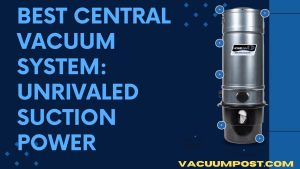
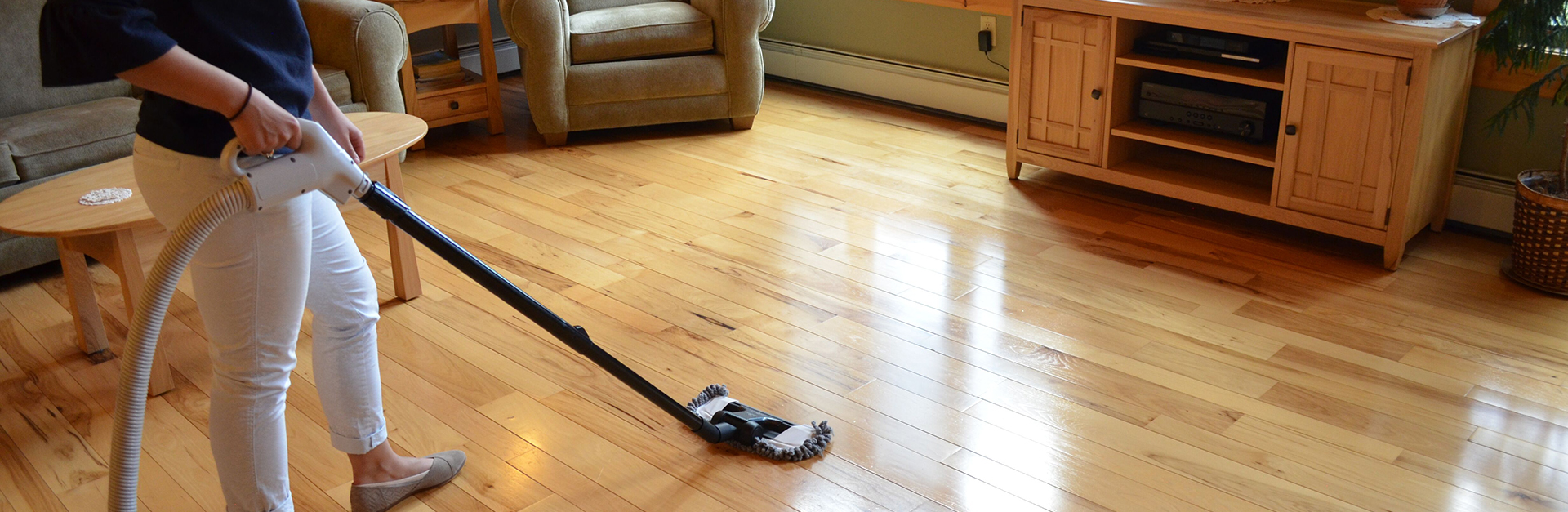
A central vacuum system features a main unit installed in a remote location. The system connects through a series of pipes to various inlet points in the home. Users plug a lightweight hose into these inlets to vacuum.
The debris is carried through the pipes to the main unit. This keeps the noise level low and the air clean. Central vacuums often have stronger suction power compared to traditional models.
Advantages Over Traditional Vacuums
- Powerful suction: Central vacuums provide more powerful cleaning.
- Less noise: The main unit is in a remote location, reducing noise.
- Improved air quality: Dust and allergens are expelled outside.
- Convenience: No need to carry heavy vacuum units around.
| Feature | Central Vacuum | Traditional Vacuum |
|---|---|---|
| Suction Power | High | Medium |
| Noise Level | Low | High |
| Air Quality | Improved | Standard |
Key Features Of Top Central Vacuum Systems
Choosing the best central vacuum system can be overwhelming. Understanding the key features can simplify your decision. The best systems offer powerful suction, efficient filtration, and ample capacity. Below, we explore these features in detail.
Powerful Suction Capabilities
A top central vacuum system should have powerful suction capabilities. This ensures thorough cleaning of all surfaces. Look for systems with high air watts. Air watts measure the efficiency of the suction power. Most top systems have over 500 air watts. This level of power can handle deep carpet cleaning. It can also clean hard floors effectively.
Filtration Efficiency
Effective filtration is crucial for a central vacuum system. The best systems have high-efficiency filters. These filters capture fine dust and allergens. They ensure cleaner air in your home. Look for HEPA filters. HEPA filters trap 99.97% of particles. They are ideal for homes with allergies. Some systems also feature self-cleaning filters. This reduces maintenance needs.
System Capacity
The capacity of the central vacuum system is important. Larger capacity means less frequent emptying. Most top systems have a capacity of 20-30 liters. This is sufficient for large homes. Look for systems with easy-to-empty canisters. Some systems also have bagged options. Bagged systems can be more hygienic.
| Feature | Description |
|---|---|
| Powerful Suction Capabilities | High air watts for deep cleaning |
| Filtration Efficiency | HEPA filters for capturing fine particles |
| System Capacity | 20-30 liters for less frequent emptying |
Understanding these key features helps you choose the best central vacuum system. Look for powerful suction, efficient filtration, and ample capacity. A good system will make home cleaning easier and more effective.
Comparing Central Vacuum Brands
Choosing the best central vacuum system can be challenging. There are many brands to consider. Each brand has unique features and benefits. This section will help you compare leading brands and emerging names.
Market Leaders In Central Vacuums
Several brands dominate the central vacuum market. These brands are known for their reliability and performance. Here are a few market leaders:
- Electrolux: Known for its powerful suction and quiet operation.
- Beam: Offers a wide range of models with advanced filtration.
- NuTone: Provides durable systems with user-friendly features.
These brands offer various models to suit different needs. They provide excellent customer support and warranty options.
Emerging Brands And Innovations
New brands are entering the central vacuum market. These brands bring innovative features and competitive pricing. Some of the emerging brands include:
- Prolux: Focuses on eco-friendly models with high efficiency.
- VacuMaid: Known for its robust build and long-lasting motors.
- Canavac: Offers advanced filtration systems for cleaner air.
These brands are gaining popularity for their unique features. They provide great value for money and are worth considering.
| Brand | Key Feature | Price Range |
|---|---|---|
| Electrolux | Powerful suction | $$$ |
| Beam | Advanced filtration | $$$ |
| NuTone | User-friendly features | $$ |
| Prolux | Eco-friendly | $$ |
| VacuMaid | Robust build | $$ |
| Canavac | Advanced filtration | $$$ |
Choosing the right brand depends on your specific needs. Consider factors such as suction power, filtration, and budget.
Installation Essentials
Installing a central vacuum system can seem daunting. But with proper guidance, it becomes manageable. This section covers everything you need to know about the installation process. From planning to deciding between professional and DIY installation, we’ve got you covered.
Planning And Layout
Proper planning ensures a smooth installation. Start by creating a detailed layout of your home. Identify the best spots for the vacuum inlets. Consider high-traffic areas like hallways and living rooms.
A typical central vacuum system requires:
- Power unit location (usually in a garage or basement)
- Inlet valve placement
- Piping routes
- Electric connections
Use a floor plan to mark these locations. Ensure each inlet covers a large area. This reduces the number of inlets needed. Also, plan for the power unit’s location near an electrical outlet. Proper planning saves time and reduces errors.
Professional Vs Diy Installation
Deciding between professional and DIY installation depends on various factors. Let’s break them down:
| Criteria | Professional Installation | DIY Installation |
|---|---|---|
| Cost | Higher due to labor charges | Lower, as you do the work |
| Time | Quick, as experts do the job | Longer, requires personal time investment |
| Expertise | High, professionals know the best practices | Varies, depends on your skills |
| Warranty | Often includes installation warranty | No warranty on DIY labor |
Professional installation ensures proper setup but costs more. DIY installation saves money but requires more time. Weigh these factors based on your situation. Choose what suits your needs best.
Central Vacuum System Components
A central vacuum system is more efficient than traditional vacuum cleaners. Understanding its components helps you choose the best system. This guide covers the key parts of a central vacuum system.
Power Units
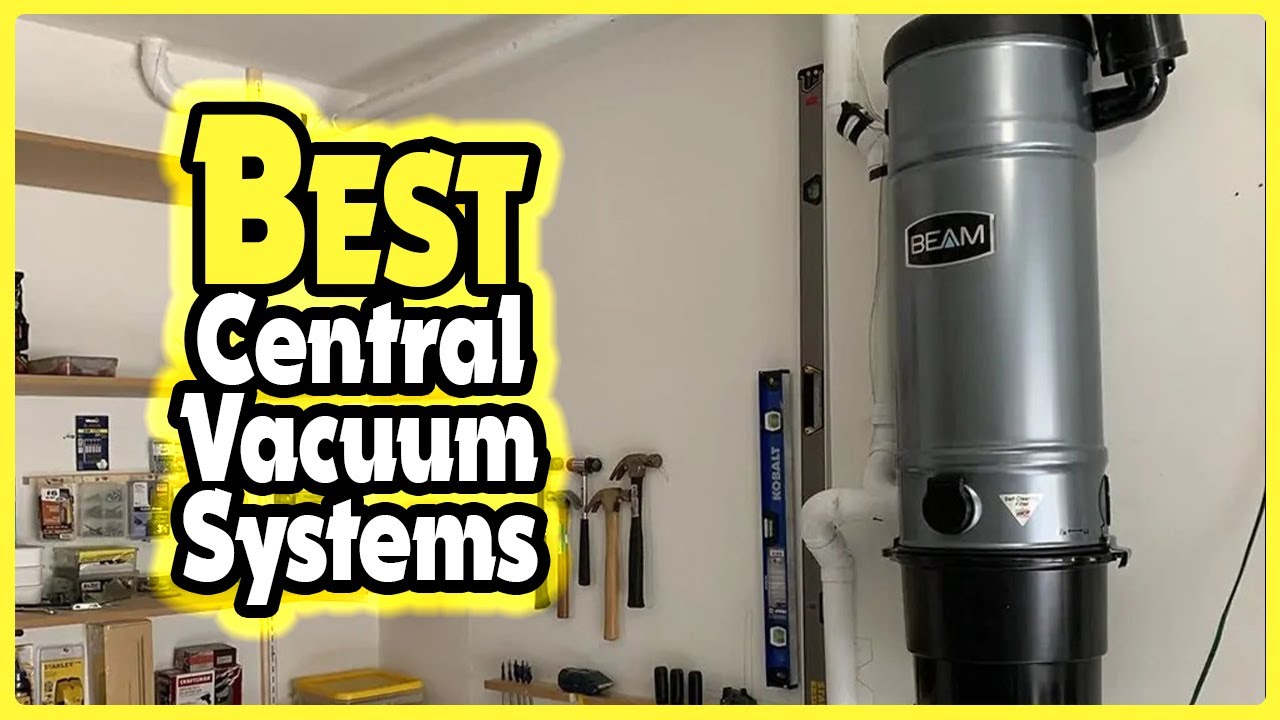
The power unit is the heart of the central vacuum system. It generates the suction needed to clean your home. Power units come in different sizes and strengths. They can be installed in the garage, basement, or utility room.
Most power units use a motor to create suction. The motor size determines the power. Look for a unit with a strong motor. It should have a good filtration system to trap dust and allergens. Some units have a bag, while others are bagless.
| Feature | Bagged Units | Bagless Units |
|---|---|---|
| Maintenance | Replace bags regularly | Empty the canister |
| Filtration | Better at trapping dust | Requires frequent cleaning |
Vacuum Inlets
Vacuum inlets are the access points for your hose and attachments. They are installed in walls or floors throughout your home. Place inlets in convenient locations to reduce hose length.
Inlets come in various designs and colors. Choose ones that match your home decor. Ensure they are easy to use and have a secure seal. Some inlets have automatic covers that open when the hose is inserted.
Piping Network
The piping network connects the power unit to the vacuum inlets. It is usually made of PVC pipes. Proper installation ensures efficient airflow and suction.
Plan the piping layout before installation. Avoid sharp turns and long stretches. Use sweep elbows for smooth airflow. Seal all joints to prevent leaks. Regularly check the pipes for any blockages.
- Use PVC pipes for durability.
- Plan the layout to reduce resistance.
- Seal joints with adhesive.
Design And Aesthetics
The design and aesthetics of a central vacuum system play a crucial role in its integration into your home. A well-designed system not only functions efficiently but also complements the overall decor of your living space. Let’s dive into the various aspects of design and aesthetics that make these systems a perfect addition to modern homes.
Integrating Into Home Decor
A central vacuum system can seamlessly blend into your home’s decor. Manufacturers offer units in various finishes and colors. This variety ensures you find a system that matches your interior style. Some units even come with customizable panels. This allows you to choose a finish that complements your home’s existing design elements.
For example, you can opt for a sleek, stainless steel unit for a modern look. Alternatively, choose a warm wooden finish for a more traditional setting. The goal is to make the vacuum system an unobtrusive part of your home. This integration enhances the visual appeal of your living space.
Hidden Elements And Accessibility
One of the best features of central vacuum systems is their hidden components. The main unit is usually installed in a garage, basement, or utility room. This keeps it out of sight, preserving your home’s aesthetics. Only the inlets and hose are visible, and these can be strategically placed to minimize their impact on your decor.
| Component | Location | Visibility |
|---|---|---|
| Main Unit | Garage/Basement | Hidden |
| Inlets | Various rooms | Minimal |
| Hose | Stored in closet | Hidden when not in use |
Inlets can be installed in walls, floors, or even within furniture. This ensures easy access while maintaining a clean look. Some systems offer retractable hoses. These hoses retract into the wall, further reducing visual clutter. This feature makes the system both functional and aesthetically pleasing.
By choosing a central vacuum system with thoughtful design and hidden elements, you can maintain the beauty of your home. Enjoy a clean living space without compromising on style.
Performance Metrics
Choosing the best central vacuum system means understanding its performance metrics. These metrics help you gauge efficiency and suitability for your home. Let’s explore the most crucial performance metrics.
Air Watts And Suction Power
Air watts measure the power of the vacuum. Higher air watts mean stronger suction. A good central vacuum system should have at least 500 air watts. This ensures it can handle deep cleaning tasks.
Suction power is another key factor. It determines how well the vacuum picks up dirt and debris. Look for a system with strong suction power to ensure thorough cleaning.
| Brand | Air Watts | Suction Power |
|---|---|---|
| Brand A | 600 | 140 inches of water lift |
| Brand B | 550 | 130 inches of water lift |
Noise Level Considerations
Noise level is crucial for comfort. A quieter vacuum system means a more pleasant cleaning experience. Look for systems that operate below 70 decibels.
Many modern central vacuum systems include noise-reducing features. These features help maintain a quiet home environment. Consider this when choosing your vacuum system.
- Noise levels under 70 decibels are ideal.
- Look for noise-reducing features in the product.
Maintenance Tips
Keeping your central vacuum system in top shape ensures it lasts longer and works better. Follow these simple maintenance tips to keep your system running smoothly and efficiently. These tips will save you time and money in the long run.
Routine Cleaning
Regular cleaning is crucial for the proper functioning of your central vacuum system.
- Empty the dust canister: Check and empty the dust canister every few months.
- Clean the filter: Wash or replace the filter as per the manufacturer’s instructions.
- Inspect the hoses and attachments: Look for blockages or wear and tear.
- Wipe the exterior: Use a damp cloth to clean the exterior of the unit.
Troubleshooting Common Issues
Even the best central vacuum systems can have issues. Here are some common problems and solutions.
| Problem | Solution |
|---|---|
| Loss of suction | Check for blockages in the hose or pipes. |
| Unit won’t turn on | Ensure the unit is plugged in and check the circuit breaker. |
| Unusual noises | Inspect the motor and fan for debris or damage. |
| Bad odor | Clean the filter and empty the dust canister regularly. |
User Experience And Reviews
Understanding user experience and reviews is crucial when choosing the best central vacuum system. Happy customers and real-world performance feedback give valuable insights into product reliability and efficiency.
Customer Satisfaction
Customer satisfaction is a primary indicator of a product’s quality. Many users report a high level of satisfaction with central vacuum systems. They appreciate the ease of use and powerful suction. Below are some key points from user reviews:
- Powerful suction capabilities
- Ease of installation
- Low noise levels
- Convenient maintenance
- Improved air quality
These features contribute to the overall positive feedback and high ratings for central vacuum systems.
Real-world Performance Feedback
Real-world performance feedback shows how these systems perform in daily scenarios. Users often share their experiences, highlighting both pros and cons.
| Pros | Cons |
|---|---|
| Powerful suction for deep cleaning | Initial installation can be complex |
| Quiet operation | Requires professional installation |
| Long-lasting performance | Higher upfront cost |
Users often praise the powerful suction and quiet operation. Some mention the complexity of installation and higher upfront costs as drawbacks.
Overall, user reviews and real-world feedback provide essential insights. They help potential buyers make informed decisions about the best central vacuum system for their needs.
Cost Analysis
When choosing the best central vacuum system, understanding the cost is crucial. This section will break down the cost analysis into two main parts: Initial Investment and Long-Term Value. This will help you make a well-informed decision.
Initial Investment
The initial cost of a central vacuum system can vary. It includes the price of the unit and installation fees. Here is a breakdown of the typical costs:
| Component | Estimated Cost |
|---|---|
| Vacuum Unit | $500 – $2,000 |
| Installation | $500 – $1,200 |
| Accessories | $100 – $500 |
The initial investment might seem high. However, it is important to consider the long-term benefits.
Long-term Value
Central vacuum systems offer significant long-term value. Here are some key points:
- Durability: These systems last for many years, reducing replacement costs.
- Efficiency: They provide powerful suction, making cleaning easier and faster.
- Health Benefits: Central vacuums improve indoor air quality by removing allergens.
Compared to traditional vacuums, central vacuums need less maintenance. This reduces ongoing costs. Over time, the system pays for itself through savings and benefits.
Investing in a central vacuum system is a wise choice. It offers both immediate and long-term financial advantages.
Accessories And Attachments
Accessories and attachments make your central vacuum system more versatile. They help you clean different surfaces and reach difficult areas. Let’s explore the best options for your home.
Enhancing Functionality
Accessories enhance the functionality of your central vacuum system. Here are some top choices:
- Brushes: Soft brushes clean delicate surfaces.
- Crevice Tools: Narrow tools reach tight spaces.
- Pet Hair Attachments: Special tools remove pet hair easily.
- Floor Brushes: Brushes for hardwood and tile floors.
- Power Nozzles: Motorized nozzles for deep carpet cleaning.
Customizing Your Cleaning Experience
Customizing your cleaning experience makes cleaning more enjoyable. Here are some accessories to consider:
| Accessory | Use |
|---|---|
| Adjustable Wands | Change wand length for different tasks. |
| Hose Socks | Protect walls and furniture from hose scratches. |
| Storage Bags | Keep your accessories organized. |
| Extension Hoses | Extend your cleaning reach. |
| Wall Inlets | Add more inlets for convenience. |
These accessories and attachments make your central vacuum system more efficient. They help you clean every corner of your home with ease.
The Environmental Impact
Choosing the best central vacuum system not only keeps your home clean but also helps the environment. In this section, we explore how central vacuum systems positively impact the environment. From energy efficiency to indoor air quality, these systems offer several green benefits.
Energy Efficiency
Central vacuum systems use less energy than portable vacuums. They have powerful motors that clean efficiently in less time. This reduces your home’s overall energy consumption. A more efficient cleaning process means less frequent use, saving even more energy.
| Feature | Energy Savings |
|---|---|
| Powerful Motors | Clean efficiently, reducing energy use |
| Less Frequent Use | Fewer cleaning sessions needed |
Contribution To Indoor Air Quality
Central vacuum systems improve indoor air quality. They remove dust, allergens, and pollutants from your home. The system’s design ensures these particles are expelled outside. This keeps your indoor air fresh and clean.
- Reduces Dust: Central vacuums trap dust outside your living space.
- Eliminates Allergens: Removes allergens, making the air healthier to breathe.
- Pollutant-Free Air: Keeps harmful particles out of your home.
Improving indoor air quality means fewer allergy symptoms and respiratory issues. This benefit alone makes central vacuum systems a smart choice.
Smart Home Integration
Smart homes are transforming the way we live. A central vacuum system is a key part of this transformation. It offers ease and efficiency. Let’s explore how smart home integration enhances these systems.
Technological Advancements
New technologies have made central vacuum systems more advanced. They now have smart sensors and automated cleaning schedules. These systems can detect dirt and adjust suction power. This ensures optimal performance.
Voice control is another major advancement. You can integrate your central vacuum with Alexa or Google Home. Just say a command and your vacuum will start cleaning. This makes cleaning effortless and hands-free.
Remote Operation And Monitoring
Remote operation allows you to control your central vacuum from anywhere. You can use a smartphone app to start or stop cleaning. This feature is ideal for busy families.
Monitoring is also simplified with smart home integration. You can track the vacuum’s performance in real-time. The app will alert you about maintenance needs. This ensures your system is always in top condition.
Below is a table summarizing the key features of smart home integrated central vacuum systems:
| Feature | Benefit |
|---|---|
| Smart Sensors | Adjust suction for optimal cleaning |
| Voice Control | Hands-free operation |
| Remote Operation | Control via smartphone |
| Real-time Monitoring | Track performance and maintenance |
In summary, smart home integration makes your central vacuum system smarter and more efficient. Enjoy a cleaner home with less effort.
Safety Considerations
When choosing the best central vacuum system for your home, safety is key. Proper understanding of safety considerations ensures a secure environment. Below are essential points to keep in mind.
Electrical Standards
Central vacuum systems need to meet electrical standards to function safely. Check if the system has UL or ETL certifications. These certifications ensure the product is tested for safety.
Ensure the system is compatible with your home’s electrical voltage. Most systems run on standard 120V or 240V circuits. Incorrect voltage can cause electrical hazards.
Use a licensed electrician to install the system. This ensures proper wiring and reduces the risk of electrical fires. Additionally, secure the wiring to prevent tripping hazards.
Child And Pet Safety
Central vacuum systems can pose risks to children and pets. Ensure the installation is out of reach for young children.
Install wall inlets at a height that children can’t reach. This prevents them from playing with or inserting objects into the inlets.
Choose a system with a low noise level. Loud noises can scare pets or disturb children. Systems with sound insulation are a good choice.
Use safety covers for wall inlets. These covers prevent children from accessing the vacuum hose or electrical parts.
Keep the main unit in a restricted area. This area should be inaccessible to children and pets. A garage or basement works well.
| Safety Aspect | Consideration |
|---|---|
| Electrical Standards | UL or ETL certifications, correct voltage, licensed electrician |
| Child Safety | High wall inlets, safety covers, restricted main unit area |
| Pet Safety | Low noise level, restricted main unit area |
Following these safety considerations ensures a secure and efficient central vacuum system. Prioritize these factors to protect your family and pets.
Warranty And Service
The warranty and service of a central vacuum system play a crucial role in its longevity and performance. Understanding what is covered under the warranty and where to find authorized service centers ensures peace of mind for homeowners.
Understanding Coverage
Before buying, always check the warranty coverage. Different brands offer various durations and terms. A typical warranty might cover:
- Motor and components: 5-10 years
- Labor costs: 1-2 years
- Accessories and attachments: 1 year
Always read the fine print to know what is excluded. Some warranties do not cover filters or consumables. Ensure you understand the replacement policy and any service fees.
Finding Authorized Service Centers
To maintain your vacuum’s warranty, use authorized service centers. These centers have trained technicians who use genuine parts. To find a service center:
- Visit the manufacturer’s website.
- Use the service center locator tool.
- Enter your zip code or city.
- Review the list of nearby centers.
Keep the receipt and service records. They are essential for warranty claims. Regular maintenance from authorized centers keeps your vacuum running smoothly.
| Brand | Motor Warranty | Labor Warranty | Service Centers |
|---|---|---|---|
| Brand A | 10 years | 2 years | 50+ nationwide |
| Brand B | 8 years | 1 year | 30+ nationwide |
| Brand C | 5 years | 1 year | 20+ nationwide |
Choosing a vacuum system with a strong warranty and accessible service centers ensures long-term satisfaction. Understand the coverage and locate authorized service centers for the best experience.
Comparative Case Studies
Understanding the best central vacuum system for your needs requires comparing different applications. In this section, we will explore various case studies. We will look at both residential and commercial uses. We will also review success stories and failures.
Residential Vs Commercial Applications
Central vacuum systems can be used in both homes and businesses. Let’s compare these two applications:
| Aspect | Residential | Commercial |
|---|---|---|
| Installation | Easy to install | Requires professional setup |
| Maintenance | Low maintenance | High maintenance |
| Cost | Affordable | Expensive |
| Suction Power | Moderate | High |
| Usage | Light to moderate | Heavy |
Success Stories And Failures
Many users have shared their experiences with central vacuum systems. Here are some success stories and failures:
- Success Story 1: A family of four installed a central vacuum system. They reported reduced allergens and easier cleaning.
- Success Story 2: A small office installed a commercial-grade system. They noticed increased employee satisfaction due to cleaner workspaces.
But not all stories are successful:
- Failure 1: A homeowner installed a low-quality system. It broke down frequently and required expensive repairs.
- Failure 2: A business opted for a residential-grade system. It couldn’t handle the heavy use and failed within months.
Choosing The Right Model
Selecting the best central vacuum system can be challenging. It requires a thorough understanding of your home’s needs and layout. This guide will help you choose the perfect model. We’ll break down key considerations in two main areas.
Assessing Your Space
Start by evaluating your home’s size and layout. A larger home needs a more powerful vacuum system. This ensures efficient cleaning across all areas. Consider the number of floors in your house. Multi-level homes benefit from systems with stronger suction.
Also, take note of the type of flooring. Carpets, hardwood, and tiles may need different attachments. Knowing your space helps narrow down the best options.
Matching System To Needs
Think about your specific cleaning needs. Do you have pets? Pet hair requires a vacuum with specialized attachments. Do family members have allergies? Choose a system with HEPA filters. These filters trap allergens and improve air quality.
Consider the noise level of the vacuum system. Some models are quieter than others. A quieter model is better if noise is a concern. Also, check for ease of use. Look for systems with user-friendly features.
| Feature | Why It Matters |
|---|---|
| Suction Power | Ensures thorough cleaning in larger homes. |
| Attachments | Handles different surfaces and pet hair. |
| HEPA Filters | Improves air quality for allergy sufferers. |
| Noise Level | Ideal for homes where noise is an issue. |
| User-Friendly Features | Makes operation simpler and more convenient. |
By assessing your space and matching the system to your needs, you can find the best central vacuum system for your home. This ensures efficient and convenient cleaning for years to come.
The Installation Process
Installing a central vacuum system may seem challenging, but it’s manageable. Follow this guide to make the process straightforward and stress-free. Let’s dive into the installation steps, common pitfalls, and helpful tips.
Step-by-step Guide
- Plan Your Layout: Determine the best locations for inlets and the power unit.
- Measure and Mark: Measure and mark the spots for the inlets.
- Drill Holes: Use a hole saw to create openings for the inlets.
- Run the Piping: Connect the PVC piping from the inlets to the power unit.
- Install the Inlets: Secure the inlets into the wall openings.
- Mount the Power Unit: Fix the power unit in your chosen location, often the garage or basement.
- Connect the Wiring: Link the low-voltage wires from the inlets to the power unit.
- Test the System: Power on the unit and check each inlet for suction.
Common Pitfalls To Avoid
- Poor Planning: Not planning the layout can lead to inefficiencies.
- Incorrect Measurements: Wrong measurements can misalign your inlets.
- Improper Drilling: Drilling the holes incorrectly can damage your walls.
- Piping Issues: Ensure pipes are securely connected to prevent leaks.
- Faulty Wiring: Incorrect wiring can cause the system to malfunction.
- Skipping the Test: Always test the system to identify any issues early.
Tips For A Smooth Installation
Follow these tips to ensure a smooth installation process:
- Read the manual thoroughly before starting.
- Use high-quality materials for better longevity.
- Double-check all measurements before drilling.
- Seek help from a friend if needed.
- Keep your tools organized for easy access.
Upgrading An Existing System
Upgrading an existing central vacuum system can breathe new life into your home. Modern systems offer improved efficiency, better suction, and advanced features. Whether you have an old system or want to boost performance, upgrading can be a smart move.
When To Upgrade
Knowing when to upgrade your central vacuum system is crucial. If your system is over ten years old, it may lack modern features. Older systems often suffer from decreased suction power. Frequent repairs are another sign that it’s time to upgrade.
Consider an upgrade if you have added new rooms to your home. An expanded living area might need a more powerful system. Upgrading ensures the entire home gets proper cleaning.
Compatibility Concerns
Compatibility is a key factor when upgrading. Not all new systems fit older piping and outlets. Check the specifications of your existing system. Make sure the new unit matches those specs.
Some systems offer adapter kits for older setups. These kits help integrate new technology with existing infrastructure. Always consult a professional for compatibility advice.
| Component | Compatibility |
|---|---|
| Power Unit | Check voltage and pipe size |
| Hose | Ensure it fits existing outlets |
| Attachments | Verify they work with your system |
Upgrading the hose and attachments can also improve performance. Newer attachments offer better cleaning capabilities. Modern hoses are more flexible and easier to use.
Upgrading your central vacuum system is an investment in your home’s cleanliness. Assess your needs and choose the right components for an effective upgrade.
The Future Of Central Vacuuming
The future of central vacuuming is incredibly promising. With rapid advances in technology, central vacuum systems are becoming more efficient and user-friendly. Homeowners will benefit from these innovations, making cleaning easier and more enjoyable.
Innovative Trends
Several innovative trends are shaping the future of central vacuuming. These advancements are making systems smarter and more efficient.
- Smart Home Integration: Central vacuum systems now connect with smart home devices. You can control your vacuum with voice commands or through apps.
- Wireless Technology: Modern systems use wireless technology. This eliminates the need for cumbersome cords and makes the system more versatile.
- Eco-Friendly Solutions: New models focus on energy efficiency. They also use sustainable materials, reducing their environmental impact.
Predicting Market Shifts
The market for central vacuum systems is expected to grow significantly. Here are some key predictions:
- Increased Demand: More households will adopt central vacuum systems. People value convenience and efficiency in cleaning.
- Technological Advancements: Ongoing innovations will drive market growth. Expect more features and improved performance.
- Cost Efficiency: Prices may become more competitive. This makes central vacuum systems accessible to a broader audience.
In summary, the future of central vacuuming is bright. Homeowners can look forward to smarter, more efficient, and environmentally-friendly systems.
Frequently Asked Questions
What Is A Central Vacuum System?
A central vacuum system is a home cleaning system with a central unit and wall inlets for easy vacuuming.
How Does A Central Vacuum Work?
It works by suctioning dirt through wall inlets to a central unit, which is often located in a garage or basement.
Are Central Vacuum Systems Worth It?
Yes, they offer powerful suction, reduce noise, and improve indoor air quality by venting outside.
How To Install A Central Vacuum System?
Installation involves placing a central unit, running tubing through walls, and installing wall inlets. Professional help is recommended.
What Are The Benefits Of Central Vacuums?
They provide stronger suction, quieter operation, and improved air quality. They also have larger capacities and require less frequent emptying.
Can Central Vacuums Be Installed In Existing Homes?
Yes, they can be retrofitted into existing homes, though it may require more effort and planning compared to new builds.
How To Maintain A Central Vacuum System?
Regularly empty the central unit, clean filters, and check for clogs in the tubing and inlets for optimal performance.
Are Central Vacuums Quieter Than Portable Ones?
Yes, the central unit is located away from living areas, reducing noise significantly during operation.
Conclusion
Choosing the best central vacuum system can enhance your home’s cleanliness. It offers convenience and efficiency. Evaluate your needs and budget. Consider features like suction power and ease of installation. Investing in a top-rated system ensures long-term satisfaction. Keep your home spotless with minimal effort.