
A standard vacuum cleaner cannot clean water. Wet/dry vacuums are designed to handle both solids and liquids.
Vacuum cleaners are essential household tools, but their capabilities vary. Standard vacuum cleaners are only suitable for dry debris. Attempting to clean water with a regular vacuum can damage the machine and pose safety risks. Wet/dry vacuums, on the other hand, are specifically designed to handle both dry materials and liquids.
They come equipped with special filters and components that can safely manage water and other wet substances. Investing in a wet/dry vacuum is a smart choice for those needing to clean up spills, floods, or wet messes. Always ensure you use the right type of vacuum for your cleaning needs to maintain safety and efficiency.
The Truth About Vacuum Cleaners And Water
Many people wonder if vacuum cleaners can clean water spills. It’s a common question. The answer depends on the type of vacuum cleaner you have. Some vacuums can handle water, while others cannot.
Types Of Vacuum Cleaners
There are different types of vacuum cleaners. Let’s look at a few:
- Dry Vacuums: These are the most common types. They are used for dust and dirt.
- Wet/Dry Vacuums: These can handle both dry debris and liquid spills.
- Handheld Vacuums: These are portable and can clean small messes. Some are designed to pick up water.
Water And Traditional Vacuums
Traditional vacuums, like dry vacuums, are not meant for water. Using a dry vacuum on water can cause damage. Water can short-circuit the vacuum’s electrical components. This can be dangerous.
Wet/Dry Vacuums are designed to handle water. They have special filters and containers for liquid. You can use them safely for both dry and wet messes.
It’s important to check your vacuum’s manual. It will tell you if your vacuum can handle water. If you are unsure, it is best to use a wet/dry vacuum for water spills.

What Happens When A Vacuum Meets Water
Many people wonder if a vacuum cleaner can clean water. Understanding how vacuums work can help answer this. Vacuums are great for cleaning dust and dirt. But what happens when a vacuum meets water? Let’s dive into this topic.
The Science Of Suction
Vacuums rely on suction to pick up dirt. They create a difference in air pressure. This difference causes dirt to be pulled into the vacuum. The motor in the vacuum generates this suction power. Some vacuums are designed to handle liquids. These are called wet-dry vacuums. They have special features for dealing with water.
Potential Hazards
Using a regular vacuum on water can be dangerous. Water and electricity do not mix well. It can cause short circuits and electric shocks. This can damage the vacuum and be harmful to the user. Wet-dry vacuums have insulation to prevent such risks. Always check your vacuum’s manual before using it on water.
| Regular Vacuum | Wet-Dry Vacuum |
|---|---|
| Not safe for water | Designed for water and dry debris |
| Risk of electric shock | Insulated to prevent shocks |
| Can damage the motor | Motor is protected against water |
If you need to clean water spills, use a wet-dry vacuum. They are built to handle both wet and dry messes. A regular vacuum is not designed for this task.
Wet-dry Vacuums: The Exception To The Rule
Most vacuum cleaners are not designed to handle liquids. Introducing a standard vacuum to water can lead to damage. There is, however, an exception: the wet-dry vacuum. These versatile machines can manage both dry debris and liquids, making them a unique and valuable tool for many cleaning tasks.
Design And Functionality
Wet-dry vacuums are built differently from regular vacuums. They have special features that allow them to handle liquids safely. Let’s look at their unique design:
| Feature | Description |
|---|---|
| Dual Tanks | Separate containers for liquids and solids prevent clogging. |
| Special Filters | Filters designed to handle water and other liquids. |
| Powerful Suction | Strong suction ensures effective removal of liquids. |
| Durable Materials | Constructed with materials resistant to water damage. |
Suitable Applications
Wet-dry vacuums are incredibly versatile. They can be used in various scenarios:
- Home Cleaning: Ideal for cleaning spills, flooded basements, and messy garages.
- Construction Sites: Effective in removing sawdust, wet cement, and other debris.
- Automotive: Great for cleaning car interiors, including wet car mats.
- Workshops: Useful for clearing out liquid spills and dry debris.
These machines are more than just vacuums. They are essential tools for tackling both dry and wet messes.
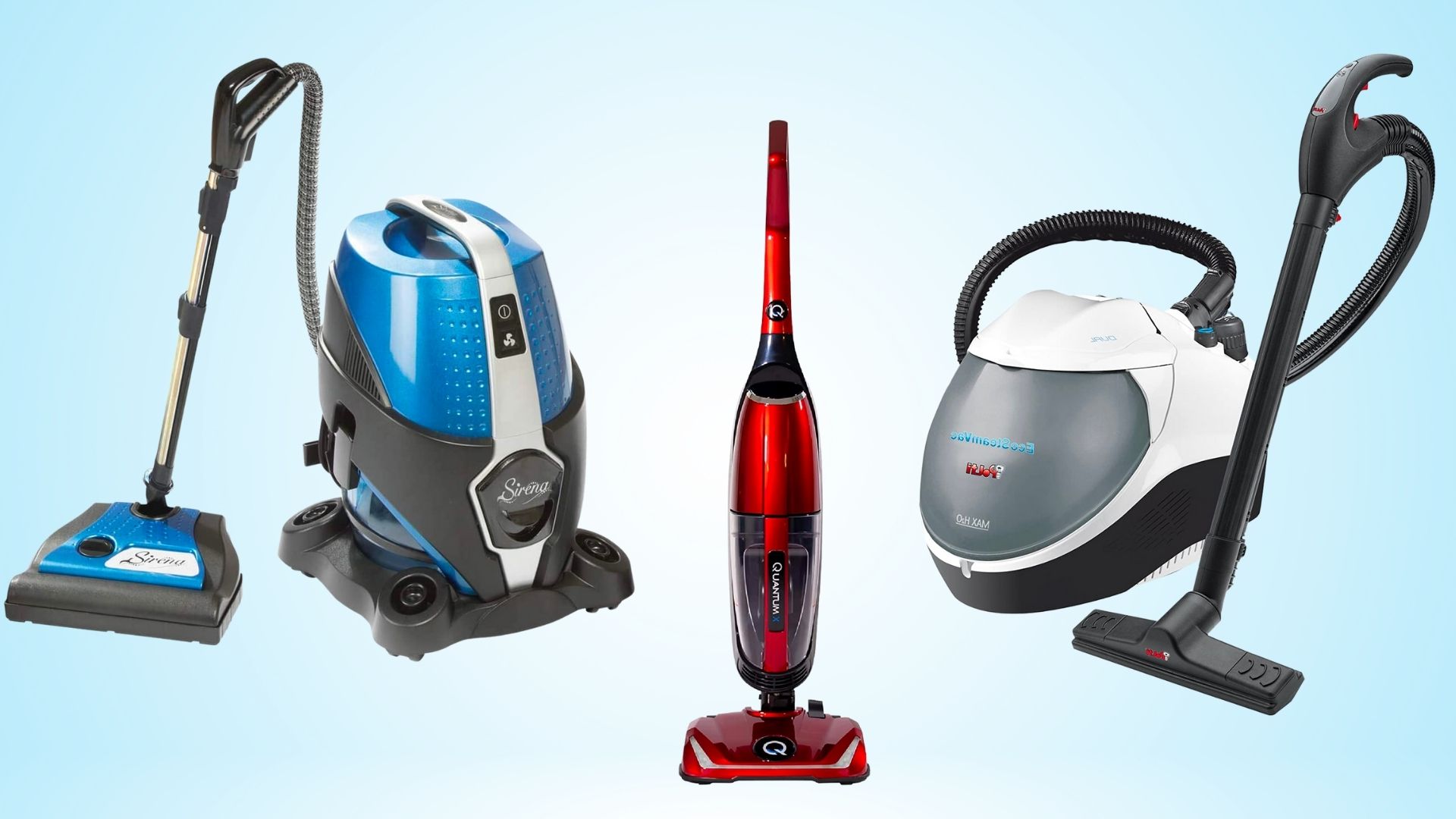
Myth Vs. Reality: Can Vacuums Handle Liquids?
Many people wonder if their vacuum cleaner can handle liquids. The idea of using a vacuum to clean up water is tempting. But is it safe or effective? Let’s explore the truth behind this question.
Popular Myths Debunked
Many believe that all vacuums can clean water. This is a common myth. Most household vacuums are not designed for liquids. Using them for water can damage the machine. It can also be dangerous.
Another myth is that vacuuming water is faster. People think it’s a quick solution. But it can lead to bigger problems. The vacuum might break down. Or worse, it could cause an electric shock.
Understanding Limitations
It’s important to know your vacuum’s limits. Regular vacuums are made for dry messes. They are not built to handle liquids.
If you need to clean up water, use a wet/dry vacuum. These vacuums are designed for both dry and wet messes. They have special features to handle liquids safely.
| Type of Vacuum | Use for Water? |
|---|---|
| Regular Vacuum | No |
| Wet/Dry Vacuum | Yes |
Always check your vacuum’s manual. Look for information on handling liquids. If it doesn’t mention water, don’t risk it. Stick to cleaning dry messes only.
Here are some key points to remember:
- Regular vacuums are for dry messes.
- Using them for water can cause damage.
- Wet/Dry vacuums are safe for liquids.
- Always read the vacuum’s manual.
Understanding these facts can help you avoid costly mistakes. Keep your vacuum safe and your home clean by using the right tool for the job.
The Dangers Of Using A Regular Vacuum On Water
Using a regular vacuum on water poses significant risks. It can damage your vacuum cleaner and pose safety hazards. Understanding these dangers is crucial for keeping your home and appliances safe.
Electrical Risks
Regular vacuum cleaners are not designed for water. Water and electricity are a dangerous mix. Using a vacuum on water can cause electrical shocks. This can lead to serious injuries. Your vacuum may short-circuit, causing it to malfunction.
Modern vacuums have electrical components. These parts are sensitive to water. Exposure to moisture can damage these components. Electrical risks are high, and they can even cause fires.
Damage To Components
Water can severely damage your vacuum’s internal parts. The motor, filters, and bags are not waterproof. Water can rust the motor, leading to costly repairs. Filters can get clogged or damaged by moisture, reducing the vacuum’s efficiency.
Vacuum bags can become soggy and tear easily. This can cause a mess and reduce the vacuum’s effectiveness. Even bagless vacuums are at risk. Water can damage the dust container and other components.
| Component | Damage Risk |
|---|---|
| Motor | Rust and Short-Circuits |
| Filters | Clogging and Damage |
| Bags | Tearing and Sogginess |
| Dust Container | Water Damage |
To avoid these risks, use a wet-dry vacuum for water. These are specifically designed to handle liquids. Protect your vacuum and stay safe by using the right tool for the job.
:max_bytes(150000):strip_icc()/how-to-use-a-shop-vac-for-water-5081535-01-ba6add11c48944c7b18ca1a26c167b7f.jpg)
Proper Cleanup Of Water Spills
Cleaning up water spills efficiently is crucial to prevent damage. Using a vacuum cleaner can help, but it’s important to know the right techniques and tools. This section will guide you through the best practices for water spill cleanup.
Best Practices
First, turn off the power. Water and electricity don’t mix. Unplug any electrical devices in the spill area. Next, use towels to soak up excess water. This helps the vacuum cleaner work better.
Always use a wet/dry vacuum for water spills. Regular vacuums aren’t designed for water. They can get damaged or cause electric shocks. Make sure to read your vacuum’s manual. Some wet/dry vacuums have specific settings for water spills.
Tools And Techniques
Using the right tools makes the cleanup easier and faster. Here are some essential tools and techniques:
- Wet/Dry Vacuum: This tool is crucial for water spills. It can handle both wet and dry messes.
- Squeegee Attachment: Some vacuums come with this attachment. It helps to gather water into one area.
- Absorbent Towels: Use these to soak up excess water before vacuuming.
Follow these steps for effective cleanup:
- Remove any large debris or objects from the spill area.
- Soak up excess water with towels.
- Set up the wet/dry vacuum and attach the squeegee if available.
- Start vacuuming from the edges of the spill, moving towards the center.
- Empty the vacuum’s water tank frequently to maintain suction power.
By following these best practices and using the right tools, you can clean water spills effectively.
Innovations In Vacuum Technology For Water Cleanup
Cleaning up water with a vacuum cleaner may sound impossible. Yet, recent innovations in vacuum technology have made it a reality. These advancements are transforming how we tackle water spills and floods at home.
Recent Advancements
Modern vacuum cleaners can now handle water and dry debris. This is thanks to advanced technology and robust design. Some key innovations include:
- Wet-Dry Vacuums: These vacuums can clean both dry and wet messes.
- Automatic Water Detection: Sensors that detect water and switch to water mode.
- Enhanced Suction Power: Stronger motors for efficient water removal.
- Improved Filtration Systems: Filters that handle water and keep the motor safe.
Future Prospects
The future of vacuum technology looks promising. Innovations will continue to make water cleanup easier. Potential advancements could include:
- Smart Integration: Vacuums that connect to smart home systems.
- Automatic Drying: Features that dry surfaces after water cleanup.
- Eco-Friendly Designs: Energy-efficient models for sustainable cleaning.
- Portable Solutions: Lightweight and cordless vacuums for quick water cleanup.
| Feature | Current Technology | Future Prospects |
|---|---|---|
| Water Detection | Automatic Sensors | Advanced AI Detection |
| Suction Power | Enhanced Motors | Turbo Suction |
| Filtration | Improved Filters | Self-Cleaning Filters |
As technology evolves, vacuum cleaners will become more versatile. They will provide better solutions for water cleanup at home. Stay tuned for more groundbreaking innovations in this field.
How To Choose The Right Vacuum For Wet Surfaces
Choosing the right vacuum for cleaning water is essential. Not all vacuums can handle wet surfaces. Using the wrong vacuum can damage the machine. This can also be dangerous. Let’s dive into key features and top picks for wet-dry vacuums.
Features To Look For
When selecting a vacuum for wet surfaces, certain features are crucial. Here’s a handy table to guide you:
| Feature | Why It’s Important |
|---|---|
| Water Lift | Measures suction power for liquids. |
| Tank Capacity | Bigger tanks hold more water. |
| Filter Type | Wet filters prevent clogs. |
| Durable Build | Prevents leaks and damage. |
| Attachments | Helps clean various surfaces. |
Top Picks For Wet-dry Vacuums
Here are some top picks for wet-dry vacuums. These models excel in cleaning water:
- Shop-Vac 5989300: This model has a 5-gallon tank and strong suction.
- DeWalt DXV09P: Known for its durability and 9-gallon capacity.
- Vacmaster VBV1210: Features a 12-gallon tank and a blower function.
- Bissell CrossWave: Ideal for homes, vacuums and washes floors.
- Craftsman CMXEVBE17595: Has a 16-gallon tank and high suction power.
Choose a vacuum that suits your needs. Ensure it can handle water cleanup efficiently.
Maintenance Tips For Wet-dry Vacuums
Wet-dry vacuums are versatile tools. They can handle both dry debris and liquids. Keeping them in top shape requires regular maintenance. Follow these tips to ensure your vacuum performs its best.
Regular Cleaning
Regular cleaning is vital for your wet-dry vacuum. Empty the tank after each use. This prevents odors and bacterial growth. Wash the filters often. A clean filter ensures efficient suction. Check the hose and attachments. Remove any blockages to maintain airflow.
Avoiding Common Issues
Common issues can reduce your vacuum’s lifespan. Avoid sucking up large debris. This can clog the hose or damage the motor. Don’t use the vacuum without a filter. This can cause internal damage. Store the vacuum in a dry place. Moisture can lead to rust or mold.
| Maintenance Task | Frequency |
|---|---|
| Empty the tank | After each use |
| Wash filters | Weekly |
| Check hose and attachments | Monthly |
| Store in dry place | Always |
By following these tips, you ensure your wet-dry vacuum stays effective. Proper maintenance extends its life and keeps your home clean.
Common Questions Answered
People often ask if vacuum cleaners can clean water. This blog answers common questions. Learn how to handle large spills and vacuum puddles with your vacuum cleaner.
Handling Large Spills
Not all vacuum cleaners can handle water. Always check the manual first. Wet-dry vacuum cleaners are designed for this task.
Steps to handle large spills:
- Turn off the vacuum cleaner.
- Remove the regular dust bag.
- Attach the water collection bag.
- Turn on the vacuum cleaner.
- Slowly move over the spill.
These steps help prevent damage to your vacuum cleaner. Safety is important while cleaning large spills.
Vacuuming Puddles
Puddles can be tricky to clean. A wet-dry vacuum cleaner works best.
Steps to vacuum puddles:
- Ensure the vacuum cleaner is unplugged.
- Attach the correct nozzle.
- Plug in the vacuum cleaner.
- Slowly vacuum the puddle.
- Empty the water tank after use.
Keep the nozzle close to the puddle. This ensures effective cleaning.
| Vacuum Type | Suitable for Water |
|---|---|
| Regular Vacuum Cleaner | No |
| Wet-Dry Vacuum Cleaner | Yes |
Always use the right vacuum cleaner. This ensures the job is done safely and effectively.
Frequently Asked Questions
Can Vacuums Clean Up Water?
Yes, wet/dry vacuums can clean up water. Standard vacuums are not designed for liquids and could get damaged.
Will A Vacuum Remove Water?
A vacuum designed for wet use can remove water. Ensure your vacuum is rated for liquids to avoid damage.
Is There A Vacuum To Pick Up Water?
Yes, wet-dry vacuums can pick up water. They are designed to handle both liquid and solid debris efficiently.
Can You Put A Vacuum Filter In Water?
No, most vacuum filters should not be put in water. Check the manufacturer’s instructions for cleaning guidelines.
Conclusion
Choosing the right vacuum cleaner for water is crucial. Not all models can handle liquid spills. Always check manufacturer guidelines before use. A wet-dry vacuum is a safe and efficient option. Proper usage ensures longevity and safety. Make informed decisions to keep your home clean and hazard-free.