
A HEPA vacuum can effectively remove small particles but cannot eliminate all allergens or mold spores. Investing in a HEPA vacuum can improve indoor air quality by capturing dust, pet dander, and pollen.
The HEPA filter in the vacuum can trap particles as small as 0. 3 microns, reducing the risk of respiratory issues. However, it is important to note that while a HEPA vacuum can effectively reduce allergens, it may not completely eliminate them from the environment.
Additionally, for individuals with severe allergies or asthma, additional measures such as regular cleaning and proper ventilation may still be necessary. To fully understand the capabilities of a HEPA vacuum, it’s essential to consider its benefits and limitations for maintaining a healthy living environment.
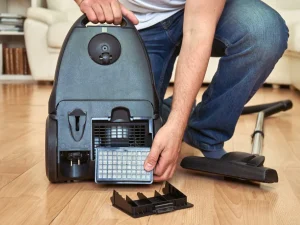
How Does Hepa Work In A Vacuum Cleaner?
A HEPA vacuum cleaner effectively captures fine particles, such as dust mites and pollen, improving indoor air quality. However, it has limitations and cannot completely eliminate all allergens or odors.
HEPA filtration technology has revolutionized the way we clean our homes. Understanding how it works in a vacuum cleaner can help you make an informed decision when purchasing this essential household appliance. Let’s delve into the specifics of HEPA filters and their role in maintaining clean indoor air.
- HEPA Filters: The Backbone of Clean Air
HEPA filters are the heart and soul of a vacuum cleaner. Here’s how they work:
- Designed to Capture Tiny Particles: HEPA filters are built to capture microscopic particles as small as 0.3 microns with a 99.97% efficiency rate. This includes dust mites, pollen, pet dander, and even some bacteria and viruses. By trapping these tiny particles, HEPA filters help improve indoor air quality.
- High-Efficiency Filtration: Crucial for Allergy Sufferers
HEPA filters play a vital role in providing relief to individuals with allergies or respiratory conditions. Here’s why:
- Traps Allergens and Irritants: The primary function of a HEPA filter is to trap allergens and irritants that commonly trigger allergic reactions. This includes dust, mold spores, and pet allergens. As the air passes through the vacuum cleaner, the HEPA filter captures these particles, ensuring they do not recirculate in your living space.
- Essential for Asthma Management: For those with asthma, HEPA filters act as a defense against airborne triggers like pollen and dust mites. By effectively removing these triggers during vacuuming, HEPA filters help create a healthier living environment for individuals with asthma.
- Limitations of HEPA Filters
While HEPA filters are highly effective in improving indoor air quality, it’s essential to understand their limitations:
- Ineffectiveness Against Odors and Gases: HEPA filters are designed to capture solid particles and are not effective in removing odors or gases. So, if you’re dealing with unpleasant odors or chemical fumes, you may need additional filtration methods like activated carbon filters.
- Limited Impact on Deeply Embedded Allergens: HEPA filters excel in capturing airborne particles, but they may not be as effective in removing deeply embedded allergens in carpets or upholstery. Regular deep cleaning of these surfaces may be necessary to eliminate allergens completely.
HEPA filters are a game-changer when it comes to vacuum cleaner technology. By efficiently capturing allergens and microscopic particles, these filters significantly improve indoor air quality. However, it’s crucial to consider their limitations and supplemental filtration methods when dealing with odors or deeply embedded allergens.
Choose a vacuum cleaner with a reliable HEPA filtration system to enjoy cleaner and healthier air in your home.
How Does Hepa Work In A Vacuum Cleaner?
A HEPA vacuum cleaner effectively captures tiny dust particles, pollen, and allergens through its high-efficiency particulate air filter. However, it cannot eliminate larger debris or odors, making it ideal for reducing indoor pollutants but not for complete deep cleaning.
HEPA filters work by trapping small particles that other vacuum filters would simply recirculate back into the air of your home. By creating a powerful airflow, the HEPA filter can capture particles as small as 0. 3 microns, ensuring a high level of purification.
Here are the key points to understand the working of HEPA in a vacuum cleaner:
- High-Efficiency Particulate Air (HEPA) Technology:
- HEPA filters are made of a mat of randomly arranged fibers effectively trapping particles through three different mechanisms: Interception, impaction, and diffusion.
- Effective Particle Removal:
- HEPA filters are adept at trapping common allergens like dust mites, pollen, and pet dander, making them a valuable addition to vacuum cleaners for allergy sufferers.
- Air Quality Improvement:
- A vacuum cleaner with a HEPA filter prevents the redistribution of captured particles, ultimately improving the air quality in your home.
By incorporating HEPA technology, vacuum cleaners can provide a higher standard of air purification, making them a valuable tool for maintaining a clean and healthy indoor environment.
Is A Vacuum Cleaner With A Hepa Filter Worth It?
A vacuum cleaner with a HEPA filter can effectively remove allergens and pollutants from the air, making it worth the investment for those with respiratory issues or allergies. However, it cannot completely eliminate all particles, and regular maintenance is still necessary for optimal performance.
Vacuum cleaners equipped with HEPA filters have become popular due to their ability to capture particles and allergens. This technology has raised questions about its efficiency and whether it’s worth the investment. Let’s unravel the truth behind whether a vacuum cleaner with a HEPA filter is truly worth it.
Plain Paragraph:
HEPA Filter Overview:
- HEPA filters are designed to trap a high percentage of pollutants and allergens, including dust mites, pet dander, and pollen.
- These filters are especially beneficial for individuals with allergies or respiratory conditions.
Bullet Points:
- Effectiveness:
- HEPA filters can effectively capture particles as small as 0.3 microns, ensuring cleaner air and reducing allergens.
- Allergen Reduction:
- Vacuum cleaners with HEPA filters provide a significant reduction in allergens, creating a healthier living environment.
Plain Paragraph:
Investment Consideration:
- Quality Assurance:
- While vacuum cleaners with HEPA filters may have a higher initial cost, their long-term benefits in terms of health and air quality outweigh the investment.
- Health Benefits:
- The potential reduction in allergy triggers and respiratory irritants makes the purchase of a HEPA vacuum a wise investment for overall well-being.

Frequently Asked Questions On Hepa Vacuum: What It Can And Cannot Do
Can A Hepa Vacuum Remove All Allergens From My Home?
Yes, a HEPA vacuum can effectively remove up to 99. 97% of allergens, including dust mites, pet dander, and pollen, providing a healthier environment for you and your family.
How Often Should I Use A Hepa Vacuum?
To maintain optimal indoor air quality, it is recommended to use a HEPA vacuum at least once a week, or more frequently if you have pets or allergy sufferers in your home.
Can A Hepa Vacuum Eliminate Odors?
While a HEPA vacuum can help reduce odors by trapping particulates that cause them, it may not completely eliminate strong or persistent smells. Consider using additional methods like air purifiers or natural odor absorbers for better results.
Can A Hepa Vacuum Clean My Carpets And Upholstery?
Absolutely! HEPA vacuums are designed to clean various surfaces, including carpets and upholstery. The powerful suction and specialized attachments can effectively remove dirt, debris, and allergens from these surfaces.
Can A Hepa Vacuum Help With Asthma And Allergies?
Yes, using a HEPA vacuum can significantly improve indoor air quality, making it a valuable tool for individuals with asthma and allergies. By capturing and trapping allergens, it can reduce symptoms and provide relief for those affected.
Conclusion
To sum it up, a HEPA vacuum is a powerful tool capable of effectively capturing and removing airborne particles, allergens, and pollutants. It provides a cleaner and healthier environment by reducing the risk of respiratory issues. However, it is important to note that a HEPA vacuum alone cannot solve all indoor air quality problems.
Regular cleaning and maintenance, along with other preventive measures, are crucial for ensuring clean and fresh air in your home or workplace. So, make the most of your HEPA vacuum by using it as part of a comprehensive approach to maintaining a healthy living space.