
A vacuum canister works by creating a low-pressure environment to remove dirt and debris through suction power. A vacuum canister is a powerful cleaning tool that uses suction power to remove dirt and debris from surfaces.
By creating a low-pressure environment, it draws in air along with the particles, trapping them inside the canister. The canister then filters the air, allowing it to be released back into the environment while keeping the dirt and debris securely stored away.
This innovative design ensures efficient and effective cleaning, making it an essential appliance in households and commercial spaces. Whether it’s carpets, floors, or upholstery, a vacuum canister offers a convenient and hassle-free way to maintain cleanliness and hygiene in any space.
Ii. Components Of A Vacuum Canister
II. Components of a Vacuum Canister
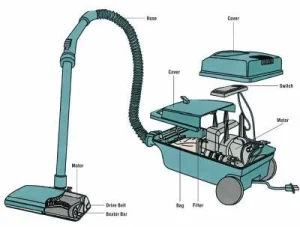
A vacuum canister is comprised of several key components that work together to provide efficient cleaning performance. These components include the canister body, motor and fan assembly, and the filtration system. Let’s take a closer look at each of these components and how they contribute to the overall functioning of a vacuum canister.
Canister Body
The canister body of a vacuum is the outer casing that houses all the internal components. It is usually made of durable plastic or metal and designed to be lightweight, making it easy to maneuver during cleaning. The canister body also typically features a handle for comfortable carrying and a transparent dust bin or bag compartment, allowing users to easily monitor the dirt collected.
Motor And Fan Assembly
The motor and fan assembly is the heart of a vacuum canister. The motor provides the power needed to generate suction, while the fan moves the air and creates the airflow necessary for effective cleaning. When the vacuum is turned on, the motor activates and drives the fan to create a suction force that draws in dirt and debris. The size and power of the motor can vary depending on the model and intended use of the vacuum canister.
Filtration System
The filtration system plays a crucial role in ensuring that the vacuum canister effectively removes dirt, dust, and allergens from the air. It consists of various filters that capture particles of different sizes. The primary filter, often referred to as the pre-filter, captures larger particles such as dirt and hair. The secondary filter, usually a HEPA (High-Efficiency Particulate Air) filter, is designed to capture even smaller particles, including pollen, pet dander, and dust mites. This filtration system not only keeps the air clean but also prevents the collected dirt from escaping back into the room.
In summary, a vacuum canister consists of the canister body, motor and fan assembly, and the filtration system. Each of these components plays a vital role in ensuring efficient and effective cleaning performance. The canister body provides a sturdy and portable housing for the internal parts, while the motor and fan assembly generate the necessary suction and airflow. The filtration system captures and traps dirt and allergens, keeping the air clean and preventing their release back into the environment.
Iii. The Working Principle
Understanding the working principle of a vacuum canister is essential in order to appreciate its effectiveness in cleaning. The canister vacuum operates based on two main processes: the air suction process and the filtration process.
Air Suction Process
The air suction process is the core mechanism that enables a vacuum canister to remove dirt and debris from surfaces. When the vacuum cleaner is turned on, it creates a low-pressure zone inside the canister. This low pressure causes the air outside the canister to rush in, carrying along with it any loose particles and dirt present on the surface being cleaned.
To facilitate the air suction process, a motor and impeller are employed. The motor drives the impeller at high speeds, creating a strong airflow. The impeller’s spinning motion generates centrifugal force that propels the captured particles against the sides of the canister, ensuring that they do not escape back into the room.
Furthermore, some vacuum canisters incorporate a suction control feature, allowing users to adjust the strength of the airflow according to the cleaning requirement. This feature proves especially useful when dealing with delicate surfaces or lightweight particles that can be easily disturbed or displaced by high suction power.
Filtration Process
The filtration process is another crucial aspect of how a vacuum canister operates. This process ensures that the air expelled from the canister is free from dust and allergens, resulting in cleaner and healthier indoor air quality.
Most vacuum canisters employ several layers of filtration to achieve optimal results. The first line of defense is usually a pre-filter or cyclonic technology, which separates the larger dirt particles from the airflow. These particles then settle into the dustbin or collection bag.
Next, the finer particles are trapped by a high-efficiency particulate air (HEPA) filter. HEPA filters are capable of capturing particles as small as 0.3 micrometers, effectively removing allergens, pet dander, pollen, and other microscopic contaminants from the air stream. This ensures that the expelled air is cleaner and healthier, making the vacuum canister suitable for individuals with respiratory conditions or allergies.
Regular maintenance and cleaning of the filters are essential for the vacuum canister to continue operating efficiently. Clogged or dirty filters can hinder airflow and reduce suction power. Therefore, it is recommended to clean or replace the filters as indicated by the manufacturer.
In conclusion, the ingenious combination of the air suction process and filtration process enables a vacuum canister to not only remove visible dirt and debris but also improve indoor air quality. This makes it an indispensable tool in maintaining cleanliness and health in our households.
Iv. Advantages Of Using A Vacuum Canister
Vacuum canisters are an efficient and versatile tool for both commercial and domestic applications. They offer numerous advantages that make them an indispensable addition to any household or business. Let’s delve into these benefits and discover why you should consider integrating a vacuum canister into your cleaning routine.
Versatility
The versatility of a vacuum canister is unmatched. It is designed to tackle an array of cleaning tasks, from meticulously cleaning carpeted floors to effectively removing dust and debris from upholstery and curtains. Its multifunctional nature ensures that it can adapt to various surfaces and provide thorough cleaning, making it a valuable asset for any home or business.
Efficiency
A vacuum canister operates with outstanding efficiency. Its powerful suction and advanced filtration system ensure that it efficiently captures dirt, pet hair, and allergens, resulting in a cleaner and healthier environment. Furthermore, its ability to maneuver around tight spaces and reach confined areas contributes to its unparalleled efficiency, saving both time and effort.
Ease Of Use
The ease of use of a vacuum canister is a notable advantage. Its lightweight design, ergonomic handle, and smooth-gliding wheels enable effortless navigation throughout the cleaning process. Additionally, the user-friendly features, such as one-touch cord rewind and quick-release attachments, streamline the cleaning experience, making it accessible for individuals of all ages.
V. Common Issues And Troubleshooting
Introduction:
While vacuum canisters are highly efficient at keeping our homes clean, they can encounter common issues that may diminish their suction power and affect their performance. In this section, we will discuss these issues and provide troubleshooting tips to help you get your vacuum canister back in top shape.
Loss Of Suction Power
One of the most common issues with vacuum canisters is a loss of suction power. This can make it challenging to pick up dirt and debris effectively. Here are some potential causes and troubleshooting tips:
- Dirty or Clogged Filters: Over time, the filters in your vacuum canister can become dirty or clogged with dust and debris, limiting airflow and reducing suction power. Regularly cleaning or replacing the filters can help restore optimal performance.
- Full Dust Bag or Canister: If the dust bag or canister is full, it can impede airflow and reduce suction. Emptying or replacing the bag or canister regularly can prevent this issue.
- Blockages in the Hose or Wand: Debris or objects lodged in the hose or wand can disrupt the airflow and cause a loss of suction power. Check for any visible blockages and clear them if necessary.
- Worn Brushes or Belts: Over time, the brushes or belts in your vacuum canister can wear down, affecting the vacuum’s performance. Inspect these components and replace them if needed.
Clogging In The Filtration System
Another common issue that can occur with vacuum canisters is clogging in the filtration system. This can prevent proper airflow and reduce suction power. Here are some troubleshooting tips to address this issue:
- Regular Filter Maintenance: Cleaning or replacing the filters regularly can prevent clogs from forming and ensure optimal filtration.
- Inspect and Clear Air Passages: Check the air passages in the filtration system for any debris or blockages. Clearing these obstructions can improve suction and prevent clogging.
By addressing these common issues and following the troubleshooting tips provided, you can help maintain the optimal performance of your vacuum canister. A well-functioning vacuum canister will ensure effective cleaning and a healthier living environment.
Vi. Maintenance And Care
Proper maintenance and care are essential to keep your vacuum canister working efficiently and effectively. Here we will discuss two important aspects of maintaining and caring for your vacuum canister: cleaning the filtration system and replacement of consumable parts.
Cleaning The Filtration System
Regularly cleaning the filtration system of your vacuum canister is crucial to ensure optimal performance and longevity.
Here are some steps to follow when cleaning the filtration system:
- Start by turning off and unplugging the vacuum canister.
- Remove the filter from the canister. Refer to your product manual for specific instructions on how to do this.
- Thoroughly clean the filter by rinsing it with water. Avoid using any harsh chemicals or solvents that can damage the filter.
- Gently shake off any excess water and allow the filter to air dry completely before reinserting it into the canister.
- Make sure to clean any other components of the filtration system, such as the dust container or pre-filter, as recommended by the manufacturer.
Regularly cleaning the filtration system will help maintain the suction power of your vacuum canister and prevent clogs that can reduce its efficiency.
Replacement Of Consumable Parts
In addition to cleaning the filtration system, it is important to stay proactive when it comes to replacing consumable parts of your vacuum canister.
Consumable parts of a vacuum canister may include things like bags, belts, brushes, or filters. Over time, these parts can wear out and become less effective, negatively impacting the performance of your vacuum canister.
Refer to your product manual or manufacturer’s guidelines for the recommended time frame for replacing consumable parts. It is important to follow these guidelines to ensure optimum performance.
When replacing consumable parts, consider the following:
- Always use genuine replacement parts from the manufacturer to avoid compatibility issues and maintain the warranty of your vacuum canister.
- Carefully follow the instructions provided by the manufacturer for replacing each specific part.
- Regularly check for wear and tear on consumable parts and replace them as soon as necessary to prevent further damage to your vacuum canister.
By regularly cleaning the filtration system and replacing consumable parts as needed, you can maximize the efficiency and lifespan of your vacuum canister.
Frequently Asked Questions On How Does A Vacuum Canister Work
How Does A Vacuum Canister Work?
A vacuum canister works by creating a powerful suction that removes dirt and debris from surfaces. It uses a motor and fan to create the suction, and the dirt is collected in a canister or bag.
What Are The Benefits Of Using A Vacuum Canister?
Using a vacuum canister has several benefits. It offers powerful suction to remove dirt and allergens, it is lightweight and easy to maneuver, and it can reach tight spaces that traditional vacuums cannot.
How Often Should I Empty The Canister Of My Vacuum?
It is recommended to empty the canister of your vacuum after each use or when it reaches the maximum fill line. Regularly emptying the canister ensures optimal performance and prevents clogs.
Can A Vacuum Canister Clean Different Types Of Surfaces?
Yes, a vacuum canister is designed to clean various types of surfaces. It can effectively clean carpets, hardwood floors, tiled surfaces, and even upholstery. Some models come with attachments for specific cleaning needs.
Conclusion
Understanding how a vacuum canister works can help you appreciate its role in keeping your home clean and tidy. By creating suction, the canister efficiently collects dirt and debris, making it a crucial part of the cleaning process. Regular maintenance and proper usage will ensure optimal performance and longevity.