
To clean a central vacuum, empty the canister and wash or replace the filter regularly. Check for clogs in the hoses.
Central vacuum systems provide powerful and convenient cleaning for your home. Regular maintenance ensures optimal performance and longevity. Empty the canister when it reaches two-thirds full to maintain suction power. Wash or replace the filter every few months, depending on usage.
Inspect hoses and attachments for blockages, as these can hinder efficiency. Use a damp cloth to wipe down the exterior of the unit. Keeping your central vacuum clean not only improves its lifespan but also enhances indoor air quality. Regular care can save you from costly repairs and ensure your system works effectively.
Introduction To Central Vacuum Systems
Central vacuum systems are built-in cleaning solutions for homes. They offer powerful suction and are easy to use. These systems have a central unit connected to in-wall tubing. You can plug in a hose to any outlet and start vacuuming. They are different from portable vacuums.
Benefits Of A Central Vacuum
- Strong suction: Central vacuums have powerful motors.
- Quiet operation: The central unit is often in a basement or garage.
- Convenience: No need to lug a heavy unit around.
- Better air quality: Dirt and debris are expelled outside.
Significance Of Regular Maintenance
Regular maintenance keeps your central vacuum working well. It ensures the system remains efficient and extends its life. Clean filters and empty the dust canister regularly. Check for clogs in the tubing and hoses. These simple steps will keep your vacuum running smoothly.
| Maintenance Task | Frequency |
|---|---|
| Empty dust canister | Every 3 months |
| Check filters | Monthly |
| Inspect tubing and hoses | Every 6 months |
Follow these tips to keep your system in top shape. A well-maintained central vacuum improves indoor air quality. It also ensures your home stays clean and dust-free.
Pre-cleaning Preparations
Cleaning your central vacuum system is important for maintaining its efficiency. Proper preparations ensure a smooth cleaning process. Before starting, make sure everything is ready and safe.
Safety First: Unplugging The System
Safety should be your top priority. Always unplug the central vacuum system before cleaning. This prevents any accidental shocks or malfunctions. Locate the power source and disconnect it completely. Ensure the system is off before moving on to the next steps.
Gathering Necessary Cleaning Supplies
Having the right cleaning supplies makes the process easier. Gather the following items:
- Soft cloth or rags
- Bucket of warm water
- Mild detergent
- Vacuum hose brush
- Screwdriver
- Replacement filters (if needed)
These supplies help you clean every part of the system effectively. Place them within easy reach to avoid interruptions.
| Item | Purpose |
|---|---|
| Soft cloth or rags | Wipe dust and debris |
| Bucket of warm water | Clean surfaces |
| Mild detergent | Remove stains and grime |
| Vacuum hose brush | Clean inside the hose |
| Screwdriver | Open vacuum parts |
| Replacement filters | Replace old filters |
Following these steps ensures you’re well-prepared for cleaning your central vacuum system. Proper preparation saves time and makes the job easier.
Emptying The Dirt Canister
Keeping your central vacuum clean ensures it works efficiently. One crucial step is emptying the dirt canister. This step helps maintain suction power and improves air quality. Here’s a guide on how to do it right.
Locating The Canister
First, locate the canister. It is usually in the garage or basement. Check the user manual if you are unsure. The canister is part of the central unit.
Some systems have a clear canister. This makes it easy to see when it’s full. Others might have an opaque canister. In this case, check it regularly.
Proper Disposal Of Vacuum Contents
Before you start, gather your supplies. You will need a trash bag and a mask. Wearing a mask prevents inhaling dust particles.
Follow these steps to empty the dirt canister:
- Turn off the central vacuum system.
- Detach the canister from the main unit.
- Place the canister inside a trash bag.
- Carefully open the canister to avoid dust clouds.
- Empty the contents into the trash bag.
After emptying, inspect the canister. Wipe it with a damp cloth if needed. This helps remove any remaining dust or debris.
Reattach the canister to the main unit. Ensure it is secure before turning the system back on.
Regularly emptying the dirt canister keeps your central vacuum in top shape. It is a simple task that makes a big difference.
Filter Maintenance
Keeping your central vacuum’s filter clean ensures it works efficiently. A clean filter improves suction and extends the vacuum’s lifespan. This guide helps you maintain your vacuum’s filter.
Identifying Filter Type
Central vacuums use different filter types. Identifying your filter type is crucial. Here are common filter types:
- Cartridge Filters: These look like cylinders. They fit snugly in the vacuum unit.
- Foam Filters: These are soft and spongy. They fit over or inside a plastic frame.
- Cloth Filters: These are usually bag-like. They hang inside the canister.
- HEPA Filters: These are high-efficiency filters. They trap tiny particles like allergens.
Check your vacuum’s manual. It will specify the filter type.
Cleaning Or Replacing The Filter
Cleaning or replacing your filter depends on its type. Follow these steps for each type:
| Filter Type | Cleaning Steps | Replacing Steps |
|---|---|---|
| Cartridge Filters |
|
|
| Foam Filters |
|
|
| Cloth Filters |
|
|
| HEPA Filters |
|
|
Regular filter maintenance keeps your central vacuum running smoothly. Clean or replace filters as needed.
Unclogging The Vacuum Pipes
Unclogging the vacuum pipes is essential for maintaining your central vacuum’s efficiency. Blockages can reduce suction power and impact your cleaning results. Here’s how to detect and clear those pesky obstructions.
Detecting Blockages
First, identify where the blockage is located. Check each inlet for reduced suction. If one inlet has weak suction, the blockage is likely in that pipe. You can use a smoke test to find the exact spot. Simply release smoke near the suspected area and watch where it gets trapped.
Techniques For Clearing Obstructions
Several methods exist to clear blockages. Here are the most effective ones:
- Suction Power: Use a portable vacuum to reverse the airflow. Attach it to the blocked inlet and turn it on. This can dislodge the clog.
- Plumber’s Snake: Insert a plumber’s snake into the inlet. Push it through the pipe to break up the blockage.
- Pipe Cleaning Tool: Some central vacuum systems have special tools. These tools are designed to clean pipes effectively.
- Compressed Air: Use a compressor to blow air through the pipes. This can push out the obstruction.
Here’s a quick comparison of these methods:
| Method | Effectiveness | Ease of Use |
|---|---|---|
| Suction Power | High | Moderate |
| Plumber’s Snake | Medium | Easy |
| Pipe Cleaning Tool | High | Easy |
| Compressed Air | High | Moderate |
By using these techniques, you can keep your central vacuum running smoothly. Detecting blockages early and clearing them promptly ensures optimal performance.
Cleaning The Vacuum Inlets
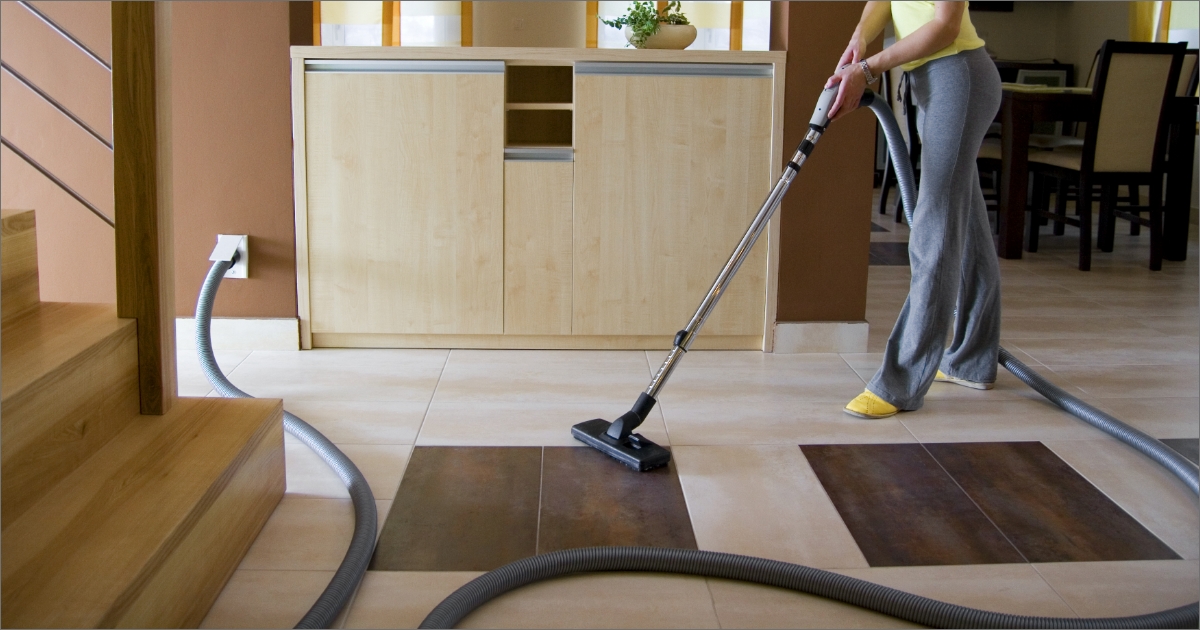
Maintaining your central vacuum system ensures it works efficiently. One crucial step is cleaning the vacuum inlets. This part of the system often collects dust and debris, which can affect performance.
Wiping Down Inlet Valves
Start by wiping down the inlet valves. Use a damp cloth to remove dust and grime. Make sure the cloth is not too wet to avoid electrical issues.
- Open the inlet cover carefully.
- Wipe around the edges and inside the inlet.
- Ensure you clean both visible and hidden areas.
Regular cleaning can prevent clogs and improve suction.
Checking For Seal Integrity
After cleaning, check the seal integrity of each inlet. A good seal ensures the vacuum operates efficiently. Poor seals can lead to loss of suction.
- Close the inlet and listen for any air leaks.
- Inspect the rubber gasket for cracks or wear.
- Replace any damaged gaskets immediately.
An intact seal keeps your system running smoothly.
| Task | Frequency |
|---|---|
| Wipe Inlet Valves | Every 3 months |
| Check Seal Integrity | Every 6 months |
Following this routine helps maintain your central vacuum system. Proper care ensures long-lasting performance.
Maintaining The Power Unit
Keeping the power unit of your central vacuum clean ensures it works efficiently. It can extend the life of the system. Regular maintenance prevents costly repairs. Here’s how to maintain the power unit.
Inspecting The Motor
The motor is the heart of your central vacuum. Regular inspection is essential. Follow these steps to inspect the motor:
- Turn off and unplug the unit.
- Remove the motor cover. Use a screwdriver if needed.
- Look for dust, dirt, and debris. Clean with a soft brush.
- Check for worn-out parts. Replace if necessary.
- Reassemble the motor cover. Plug in and test the unit.
Lubricating Moving Parts
Lubrication helps the moving parts work smoothly. It reduces wear and tear. Follow these steps to lubricate the moving parts:
- Turn off and unplug the unit.
- Locate the moving parts. These include bearings and gears.
- Apply a few drops of machine oil. Avoid over-lubricating.
- Move the parts manually to distribute the oil.
- Wipe any excess oil. Reassemble the unit and test.
Maintaining the power unit is simple but crucial. Regular checks and lubrication keep your central vacuum running smoothly. This ensures your home stays clean and dust-free.

Inspecting And Cleaning Attachments
Keeping your central vacuum system efficient involves regular cleaning. Start by inspecting and cleaning attachments. This ensures the system works well and lasts longer.
Brush Heads And Extension Wands
Brush heads can collect dirt and debris. Remove the brush head from the vacuum. Check for hair, strings, and other debris. Use scissors to cut away tangled hair. Wipe the brush bristles with a damp cloth. Let it dry completely before reattaching.
Extension wands also need cleaning. Detach the wand from the vacuum. Inspect for blockages inside. Use a long, flexible brush to clear any dirt. Wipe the outside with a damp cloth. Ensure the wand is dry before using again.
Hoses And Accessory Tools
Hoses can get clogged with dirt. Detach the hose from the vacuum unit. Shake the hose to loosen debris inside. Use a hose cleaning brush to remove blockages. Rinse the hose with water if needed. Let it dry thoroughly before reattaching.
Accessory tools like crevice tools and upholstery brushes also need care. Inspect each tool for dirt and grime. Use a small brush to clean tight spaces. Wipe down with a damp cloth. Ensure all tools are dry before storing.
Troubleshooting Common Issues
Maintaining a clean central vacuum is crucial for optimal performance. Sometimes, issues arise. Below, we address common problems and their solutions.
Loss Of Suction Power
A loss of suction power is a frequent issue. Here are steps to troubleshoot:
- Check the hose: Ensure there are no blockages.
- Inspect the filter: Clean or replace a dirty filter.
- Look at the canister: Empty the canister if it’s full.
- Examine the power unit: Ensure it’s functioning correctly.
Using a vacuum with a clean filter and canister improves suction. If the problem persists, consider professional service.
Strange Noises Or Smells
Strange noises or smells can indicate an issue. Follow these steps to identify and fix them:
- Listen for unusual sounds: These may indicate a blockage.
- Check the motor: A damaged motor can cause noise.
- Inspect for odors: Clean the canister and filter thoroughly.
- Look for leaks: Ensure there are no air leaks in the system.
Regular cleaning and maintenance can prevent strange noises and smells. If problems continue, seek expert help.
Professional Servicing Recommendations
Maintaining a central vacuum system extends its lifespan. Professional servicing ensures peak performance. Knowing when to call a technician and choosing the right service provider is crucial.
When To Call A Technician
Sometimes, your central vacuum needs expert care. Here are signs indicating it’s time to call a professional:
- Loss of suction power: Weak suction means the system is clogged or damaged.
- Unusual noises: Strange sounds can signal motor problems or loose parts.
- Electrical issues: If the system doesn’t turn on, there could be wiring issues.
- Frequent clogs: Persistent clogs may need professional tools to clear.
- Bad odors: Odors can indicate blockages or motor issues.
Choosing A Reliable Service Provider
Choosing the right technician ensures quality service. Here are tips for selecting a reliable service provider:
- Check credentials: Verify certifications and licenses. Ensure they are qualified.
- Read reviews: Look at customer feedback. High ratings often mean good service.
- Ask for references: Get opinions from previous clients.
- Compare costs: Get multiple quotes. Avoid the cheapest if it seems too low.
- Verify insurance: Ensure they have insurance. This protects against damages.
By following these steps, you ensure your central vacuum system gets the best care. Regular professional servicing keeps your system efficient and long-lasting.
Preventive Measures For Future
Ensuring your central vacuum system remains clean can extend its lifespan. Adopting preventive measures keeps your vacuum efficient and saves you from costly repairs. Here’s how to keep your central vacuum in top shape.
Regular Cleaning Schedule
Set up a regular cleaning schedule for your central vacuum. Consistency is key. Clean the filters every three months. Empty the dirt canister monthly. Replace filters annually for optimal performance.
Create a checklist to follow:
- Monthly: Empty the dirt canister.
- Quarterly: Clean or replace filters.
- Annually: Check all hoses and attachments.
Best Practices For Vacuum Care
Follow these best practices to care for your vacuum:
- Avoid vacuuming large debris. Large items can clog the system.
- Use the correct attachments for different surfaces.
- Regularly inspect hoses for cracks or leaks.
- Store attachments properly to prevent damage.
By sticking to a regular cleaning schedule and following these best practices, you ensure your central vacuum works efficiently for years.
Conclusion: Maximizing Vacuum Longevity
Keeping your central vacuum clean is crucial for its longevity. Proper cleaning and maintenance ensure your vacuum runs efficiently. This guide will help you maximize your vacuum’s lifespan.
Recap Of Key Cleaning Steps
Here’s a quick recap of the essential cleaning steps:
| Step | Description |
|---|---|
| 1. Empty the Dirt Canister | Remove and empty the canister every 3-6 months. |
| 2. Clean or Replace Filters | Check filters and clean or replace them as needed. |
| 3. Inspect the Hoses | Look for clogs or damage in the hoses regularly. |
| 4. Check the Brushes | Ensure the brushes are free of debris and in good condition. |
Emphasizing The Importance Of Maintenance
Regular maintenance keeps your central vacuum running smoothly. It prevents breakdowns and costly repairs. Following a routine helps you catch problems early.
Consistent cleaning ensures your vacuum maintains optimal suction power. It also improves air quality in your home. Clean filters and hoses mean fewer allergens and dust particles.
Investing time in maintenance extends the life of your vacuum. A well-maintained vacuum can last for many years. Proper care saves you money in the long run.
Here are some tips to keep in mind:
- Set a reminder to clean your vacuum regularly.
- Keep spare filters and parts on hand.
- Read the manufacturer’s manual for specific instructions.
By following these steps, your central vacuum will serve you well for years to come.

Frequently Asked Questions
How Do You Clean The Inside Of A Central Vacuum?
To clean the inside of a central vacuum, first disconnect the power. Empty the canister or bag. Use a soft brush to clean filters. Use a damp cloth to wipe the interior. Reassemble the unit and reconnect the power.
How Often Should You Clean Your Central Vacuum?
Clean your central vacuum every 3 to 6 months. Check and replace the filter regularly for optimal performance.
How Do You Clear A Clogged Central Vacuum Line?
To clear a clogged central vacuum line, use a vacuum hose with high suction. Insert it into the outlet. Seal tightly. Turn on the vacuum. The suction should dislodge the clog. For stubborn clogs, use a plumber’s snake or a dry/wet vacuum.
How Do I Get Rid Of The Smell In My Central Vacuum?
Clean the vacuum canister and filter regularly. Use a deodorizer specifically designed for central vacuums. Check and clean the hose and attachments. Ensure proper ventilation in the storage area. Replace old filters and bags.
How Often Should I Clean My Central Vacuum?
Clean your central vacuum every six months to maintain optimal performance and longevity.
Conclusion
Regularly cleaning your central vacuum enhances its efficiency and lifespan. Follow the steps to ensure optimal performance. A well-maintained system improves air quality and reduces allergens. Make cleaning a routine task for a healthier home environment. Enjoy the benefits of a clean and efficient central vacuum system.