
To vacuum to waste with a cartridge filter, set your multiport valve to “waste” and vacuum as usual. Ensure the pool water level is adequate.
Vacuuming to waste is essential for removing heavy debris and contaminants from your pool. This method bypasses the filter, preventing clogging and extending the cartridge filter’s lifespan. It’s especially useful after storms or when dealing with algae. Properly managing your pool’s cleanliness ensures crystal-clear water and a safe swimming environment.
Regular maintenance keeps your pool inviting and reduces the need for costly repairs. Understanding how to vacuum to waste helps you maintain optimal water quality and enjoy a pristine pool throughout the swimming season. Always monitor water levels and refill as necessary.

Introduction To Vacuuming To Waste
Maintaining a clean pool is essential for a safe swimming environment. One effective cleaning method is vacuuming to waste, especially with a cartridge filter. This method helps remove debris directly out of the pool, ensuring crystal-clear water.
The Basics Of Pool Cleaning
A clean pool provides a safe swimming space. The basics of pool cleaning include:
- Skimming the surface for leaves and debris.
- Brushing the walls and floor of the pool.
- Checking and balancing the water chemistry.
- Vacuuming to remove settled dirt and particles.
What Is Vacuum To Waste?
Vacuuming to waste means bypassing the filter system. The debris goes straight out of the pool. This method is beneficial for pools with a high level of dirt or algae. It prevents clogging the cartridge filter.
To vacuum to waste with a cartridge filter, follow these steps:
- Turn off the pool pump.
- Set the multiport valve to the “waste” setting.
- Attach the vacuum head to the telescopic pole and hose.
- Prime the hose by filling it with water.
- Connect the hose to the skimmer or vacuum port.
- Turn on the pump and start vacuuming the pool.
- Move slowly to ensure all debris is removed.
Here’s a quick table for visual guidance:
| Step | Action |
|---|---|
| 1 | Turn off the pool pump. |
| 2 | Set the multiport valve to “waste”. |
| 3 | Attach vacuum head to pole and hose. |
| 4 | Prime the hose with water. |
| 5 | Connect hose to skimmer or vacuum port. |
| 6 | Turn on the pump and vacuum. |
| 7 | Move slowly to remove all debris. |
Remember to monitor water levels while vacuuming to waste. You may need to add fresh water to the pool to maintain the correct level.
Benefits Of Vacuuming To Waste
Vacuuming to waste is a great way to keep your pool clean. This method helps remove debris directly from the pool. It does not pass through the cartridge filter. This process has several benefits.
Preventing Algae Spread
Algae can quickly spread in pool water. Vacuuming to waste helps remove algae spores. This stops them from spreading further. It is especially useful for pools prone to algae blooms.
When you vacuum to waste, the algae go straight out of the pool. They do not pass through the filter, so they do not get reintroduced. This keeps the pool water cleaner and safer.
Maintaining Water Clarity
Clear water is essential for a good swimming experience. Debris, dirt, and algae can make the water cloudy. Vacuuming to waste removes these particles efficiently. It sends them directly out of the pool.
By doing this, you help maintain the clarity of the water. Clean water looks inviting and feels better to swim in. It also reduces the strain on your cartridge filter.
| Benefit | Description |
|---|---|
| Preventing Algae Spread | Removes algae spores directly, preventing reintroduction. |
| Maintaining Water Clarity | Efficiently removes debris, keeping water clear. |
- Less algae in the pool.
- Clearer water for swimming.
- Reduced filter load.
When To Vacuum To Waste
Vacuuming to waste is a special method used for pool maintenance. It involves bypassing the filter and sending debris directly out of the pool. This method is particularly useful in certain situations. Knowing the right time to use this method can save your pool from serious issues. Let’s dive into the specifics.
Identifying The Right Time
Understanding when to vacuum to waste can make pool maintenance easier. Here are some scenarios where this method is beneficial:
- Heavy Debris: After a storm, your pool may have leaves and branches.
- Algae Blooms: If you see a lot of algae, vacuuming to waste can help.
- Cloudy Water: When the water is very cloudy, this method can clear it faster.
- Sand or Dirt: If a lot of sand or dirt has settled at the bottom.
Signs Of A Clogged Filter
A clogged filter can cause many problems for your pool. Recognizing these signs early can prevent bigger issues. Here are some common signs:
- Reduced Water Flow: If the water flow is weak, the filter may be clogged.
- Higher Pressure Gauge: A high reading on the pressure gauge is a key indicator.
- Dirty Filter: If the filter looks dirty, it might be clogged.
- Unusual Noises: Strange sounds from the pump can signal a problem.
Ignoring these signs can lead to more significant problems. It’s always better to act quickly. Vacuuming to waste can be an effective solution in these cases.
Preparing Your Pool
Getting your pool ready for vacuuming to waste with a cartridge filter is crucial. This step ensures your pool is in the best condition for effective cleaning. Follow these guidelines to ensure a smooth process.
Balancing Pool Chemicals
First, you need to check the chemical balance of your pool. Proper chemical levels keep the water clean and safe. Use a test kit to measure the pH, chlorine, and alkalinity levels.
Here is a quick guide to ideal pool chemical levels:
| Chemical | Ideal Level |
|---|---|
| pH | 7.2 – 7.6 |
| Chlorine | 1 – 3 ppm |
| Alkalinity | 80 – 120 ppm |
If any levels are off, adjust them before proceeding. Use pH increaser or decreaser as needed. Add chlorine if levels are low. Proper chemical balance ensures effective vacuuming and maintains water quality.
Removing Large Debris
Next, remove any large debris from your pool. Use a skimmer net to catch leaves, twigs, and bugs. This step prevents the debris from clogging your vacuum.
Follow these steps:
- Start at the deep end of the pool.
- Use the skimmer net to scoop out debris.
- Work your way to the shallow end.
Removing large debris makes vacuuming easier. It also protects your cartridge filter from potential damage. A clean pool surface ensures smooth and efficient vacuuming.
Setting Up The Equipment
Setting up your equipment correctly is vital for efficient vacuuming. Ensure you follow each step for the best results.
Assembling The Vacuum
Before you begin, gather all necessary parts. You will need the vacuum unit, the vacuum head, and the extension pole.
- Attach the vacuum head to the end of the extension pole.
- Ensure the connection is tight to avoid any leaks.
- Next, connect the extension pole to the vacuum unit.
Make sure all parts are securely attached. This ensures optimal performance.
Connecting The Hose
Now, it’s time to connect the hose. First, locate the hose adapter on the vacuum unit.
- Insert one end of the hose into the adapter.
- Twist it to lock it in place securely.
- Uncoil the hose and ensure it’s straight.
Next, take the other end of the hose and connect it to the pool’s waste port.
- Ensure the connection is tight.
- Double-check for any potential leaks.
With these steps, your vacuum is ready to use. Proper setup is key to effective vacuuming.
Adjusting The Cartridge Filter
Vacuuming to waste with a cartridge filter ensures debris is removed. It keeps your pool clean and healthy. Proper adjustments are essential. Learn how to switch to waste mode and ensure proper flow rate.
Switching To Waste Mode
To start, locate the filter valve. This valve controls the water flow. Turn it to the “Waste” setting. This redirects the dirty water away from the pool.
Next, turn off the pool pump. This prevents any damage during the switch. Now, turn the pump back on. You are ready to vacuum the pool.
Ensuring Proper Flow Rate
Maintaining the right flow rate is crucial. It ensures debris is effectively removed. Check the pressure gauge on your filter. The reading should be in the normal range.
If the pressure is too high, adjust the valves. This helps maintain the correct flow. Keep an eye on the gauge throughout the vacuuming process. It ensures everything runs smoothly.
Monitor the water level in your pool. Vacuuming to waste can lower it quickly. Add water if necessary to keep the pool at the right level.
| Step | Action |
|---|---|
| 1 | Locate the filter valve |
| 2 | Turn valve to “Waste” |
| 3 | Turn off pool pump |
| 4 | Turn pump back on |
| 5 | Check pressure gauge |
| 6 | Adjust valves as needed |
The Vacuuming Process
The vacuuming process with a cartridge filter is straightforward. Knowing the right steps ensures efficiency and cleanliness. Let’s explore how to vacuum to waste with a cartridge filter.
Starting At The Shallow End
Begin at the shallow end of the pool. This area collects most debris. Attach the vacuum head to the pole. Then, connect the hose to the vacuum head.
Slowly lower the vacuum head into the water. Allow the hose to fill with water. Attach the other end of the hose to the intake nozzle. Ensure the hose is free of air pockets.
Turn on the pump. Set the filter to the “waste” setting. This will direct debris out of the pool.
Systematic Cleaning Patterns
Use a systematic cleaning pattern to ensure thorough cleaning. Start from one side of the shallow end. Move the vacuum head slowly across the pool floor.
Overlap each pass slightly to avoid missing spots. Move towards the deep end in a consistent pattern. This ensures all debris is collected.
Take your time during this process. Rushing can stir up debris, making it harder to clean. Maintain a steady pace.
Check the hose and connections regularly. Ensure they remain secure and free of leaks.
| Step | Description |
|---|---|
| 1 | Attach vacuum head and hose |
| 2 | Lower vacuum head into water |
| 3 | Fill hose with water |
| 4 | Connect hose to intake nozzle |
| 5 | Set filter to “waste” |
| 6 | Start vacuuming from shallow end |
| 7 | Use systematic cleaning pattern |
By following these steps, you ensure a clean and sparkling pool. Always remember to regularly check and maintain your equipment for the best results.
Monitoring The Water Level
Vacuuming to waste with a cartridge filter can be tricky. One crucial part is monitoring the water level. This ensures the pool remains full and safe. Let’s dive into preventing water loss and refilling the pool.
Preventing Water Loss
While vacuuming, watch the water level. If it drops too low, the pump may get damaged. Here are some tips to prevent water loss:
- Check the pool’s water level every 10 minutes.
- Adjust the vacuum speed to minimize water loss.
- Use a vacuum plate for better control.
Refilling The Pool
Once done vacuuming, refill the pool to its normal level. Follow these steps for a quick refill:
- Turn off the vacuum and pump.
- Attach a garden hose to the nearest tap.
- Place the hose in the pool and turn on the tap.
- Monitor the water level until it reaches the halfway point of the skimmer.
Ensuring proper water levels keeps your pool equipment safe. It also helps in maintaining balanced water chemistry. Enjoy a clean and safe swimming experience!
Post-vacuuming Steps
After vacuuming to waste with a cartridge filter, some crucial steps follow. These steps ensure your pool remains clean and the filter system functions properly. Let’s dive into these post-vacuuming steps.
Cleaning The Cartridge Filter
First, remove the cartridge filter from its housing. Inspect the filter for debris and dirt. Use a garden hose to rinse off the filter. Make sure to clean between the pleats. This helps remove trapped dirt and grime. If the filter is very dirty, soak it in a filter cleaner solution. Follow the manufacturer’s instructions for soaking time. After cleaning, let the filter air dry completely. A clean filter ensures efficient filtration and prolongs its life.
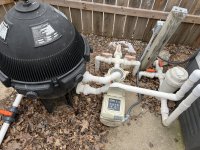
Resetting The Filter System
Reinstall the clean cartridge filter back into its housing. Ensure it is properly seated. Check all connections and seals. Tighten any loose fittings to prevent leaks. Turn on the pool pump to restart the filter system. Monitor the pressure gauge. If the pressure is within the normal range, the system is working well. If the pressure is high, there might be an issue. Double-check the filter and connections.
Troubleshooting Common Issues
Vacuuming to waste with a cartridge filter can present some challenges. Common issues include hose air leaks and reduced suction. Here, we provide solutions to these problems.
Handling Hose Air Leaks
Hose air leaks can disrupt your cleaning process. Follow these steps to manage this issue:
- Check for visible cracks: Inspect the hose carefully. Look for cracks or holes.
- Seal small holes: Use duct tape to cover small holes or cracks.
- Replace the hose: For large holes or multiple cracks, replace the hose.
If the hose is not the issue, ensure all connections are tight. Loose connections can also cause air leaks.
Dealing With Reduced Suction
Reduced suction can make vacuuming less effective. Here’s how to troubleshoot:
- Clean the filter: A dirty filter reduces suction. Clean it regularly.
- Check for blockages: Inspect the hose for any blockages. Remove any debris found.
- Ensure proper water level: Low water levels can reduce suction. Maintain the correct water level.
Regular maintenance can prevent these issues. Keep your vacuum system in top condition for optimal performance.
Maintaining Your Cartridge Filter
Proper maintenance of your cartridge filter ensures its longevity and efficiency. Regular care can help you avoid costly repairs and extend the life of your equipment. Follow these steps to keep your cartridge filter in top shape.
Regular Cleaning Routines
Cleaning your cartridge filter is essential for optimal performance. Follow these steps for a thorough clean:
- Turn off the pool pump.
- Remove the cartridge filter from its housing.
- Rinse the filter with a garden hose.
- Soak the filter in a cleaning solution for better results.
- Rinse the filter again to remove any residue.
- Reinstall the cartridge filter in its housing.
Perform this cleaning routine every two weeks. For heavy pool use, clean the filter weekly.
When To Replace The Cartridge
Replacing the cartridge filter is necessary when cleaning no longer improves performance. Look for these signs:
- Water flow decreases significantly.
- The filter looks worn or damaged.
- Cleaning the filter does not restore water clarity.
Replace the cartridge filter every 1-2 years. Check the manufacturer’s guidelines for specific recommendations.
Keeping an eye on your filter’s condition can save you from unexpected issues. Regular maintenance ensures your pool remains clean and inviting.
Safety And Best Practices
Vacuuming to waste with a cartridge filter is a useful method. It helps remove debris from your pool. But it’s important to follow safety rules. This guide will help you do it safely.
Ensuring Electrical Safety
Water and electricity can be dangerous together. Always unplug the pool pump before starting. Make sure your hands are dry. Check for any frayed wires on the pump and equipment. Use a GFCI outlet for added protection. This outlet will cut off power if there’s a problem. Keep electrical cords away from water. Follow these steps to stay safe.
Proper Disposal Of Waste Water
Waste water from your pool can contain chemicals. Dispose of it properly to protect the environment. Check local regulations for disposal guidelines. Do not dump waste water into storm drains. You can empty it into your sewer clean-out. This method is usually safe and legal. Use a backwash hose to direct the water. Make sure the hose is long enough. It should reach the appropriate disposal area.
| Step | Action |
|---|---|
| 1 | Unplug pool pump |
| 2 | Check for frayed wires |
| 3 | Use GFCI outlet |
| 4 | Direct waste water to sewer clean-out |
Following these steps will keep you and the environment safe. Remember to always be cautious.

Frequently Asked Questions
How Do I Vacuum To Waste With A Cartridge Filter?
To vacuum to waste, set your pool pump to the “waste” setting and connect the vacuum hose.
Can You Vacuum A Pool With A Cartridge Filter?
Yes, you can. Use the “waste” setting on your multiport valve to bypass the filter.
Why Vacuum To Waste With A Cartridge Filter?
Vacuuming to waste removes debris directly, preventing clogging and maintaining the filter’s efficiency.
What Tools Are Needed To Vacuum To Waste?
You need a vacuum hose, vacuum head, and a multiport valve set to “waste. “
Conclusion
Mastering how to vacuum to waste with a cartridge filter can significantly improve your pool’s cleanliness. Follow these steps carefully to keep your pool in top shape. Regular maintenance ensures longevity and a sparkling clean swimming environment. Keep your pool pristine with these easy-to-follow tips and enjoy a refreshing swim anytime.