
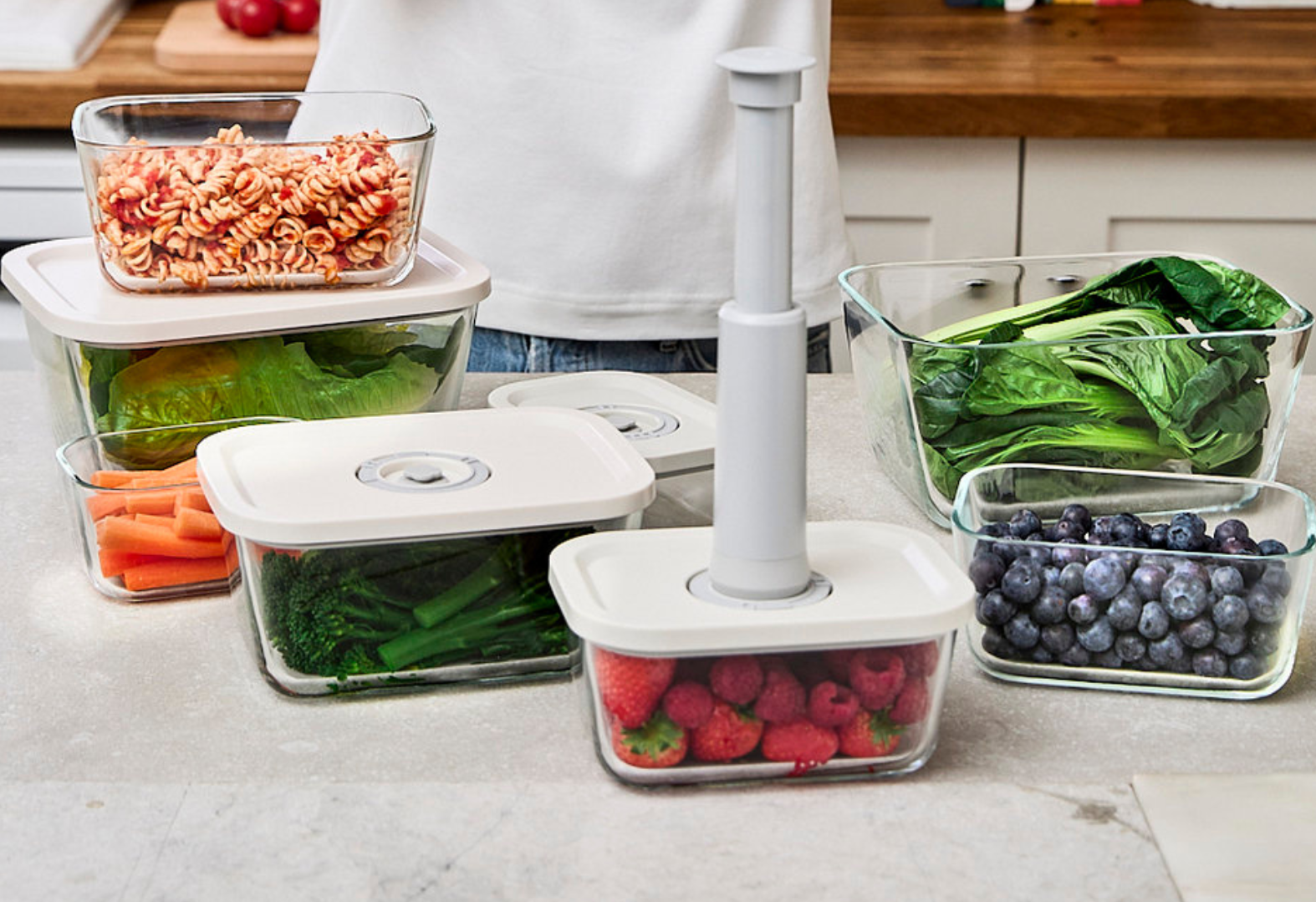
Vacuum sealing is a great way to keep food fresh for a long time. It removes air from the packaging. This helps stop germs and mold. It also stops food from drying out or getting freezer burn. But not all foods work well with vacuum sealing. Let’s talk about what foods you can vacuum seal for long term storage.
Why Vacuum Seal Food?
Vacuum sealing keeps food fresh longer than normal bags or containers. It helps save money by stopping food waste. You can buy food in bulk and save it. You can keep food in the fridge, freezer, or pantry for many months. This is very useful for busy people and families.

Foods You Can Vacuum Seal
Many foods work well with vacuum sealing. Here are some common ones.
Meat And Fish
- Raw beef, pork, chicken, and lamb: Vacuum seal them before freezing. They stay fresh for months.
- Cooked meats: Seal leftovers or cooked meals to keep them tasty longer.
- Fish and seafood: Seal fresh fish to keep it fresh in the freezer. It stops freezer burn.
Always freeze meat and fish quickly after sealing. This keeps them safe to eat.
Vegetables
Some vegetables do well with vacuum sealing. But most need to be cooked or blanched first. Blanching means boiling them for a short time and then cooling in cold water. This stops enzymes that spoil food.
- Green beans, peas, carrots, and broccoli: Blanch and vacuum seal before freezing.
- Leafy greens like spinach and kale: Blanch, then seal and freeze.
- Mushrooms: Clean, cook or blanch, then seal.
Raw vegetables with a lot of water, like cucumbers or lettuce, do not seal well. They get soggy or spoil fast.
Fruits
Many fruits can be vacuum sealed for freezing.
- Berries like strawberries, blueberries, and raspberries: Wash and dry well. Seal and freeze.
- Chopped apples, peaches, and pears: You can freeze these after sealing.
- Bananas: Peel and slice, then seal and freeze.
Fruits with high water content freeze best after sealing. This keeps them fresh and tasty.
Cheese
Cheese is a perfect food for vacuum sealing.
- Hard cheeses like cheddar, parmesan, and gouda: Seal and store in the fridge or freezer.
- Semi-soft cheeses like mozzarella: Seal well and use soon after thawing.
Cheese lasts much longer when vacuum sealed. It stops mold and drying.
Grains And Pasta
- Rice, beans, lentils, and dried pasta: Seal in dry form for pantry storage.
- Cooked grains and pasta: Seal and freeze for meals later.
Vacuum sealing stops bugs and moisture from spoiling dry grains.
Nuts And Seeds
Nuts and seeds keep their oils fresh longer with vacuum sealing. Store them in the fridge or freezer for best results.
Baked Goods
- Bread: Slice, seal, and freeze to keep fresh.
- Cookies and cakes: Seal and freeze to keep them soft and tasty.
Vacuum sealing protects baked goods from drying out and freezer burn.
Soups And Sauces
You can vacuum seal soups and sauces if you freeze them first in a solid form. Use freezer-safe bags and seal after freezing.
Foods Not Good for Vacuum Sealing
Some foods do not work well for vacuum sealing. They can spoil or lose texture fast.
- Soft cheeses like brie or camembert: They spoil faster without air.
- Fresh garlic and mushrooms: They can grow bacteria if sealed raw.
- Raw onions: They release gases and spoil food.
- Crushable foods like chips or crackers: They lose crunch when sealed.
- Fresh leafy greens: They get soggy quickly.
Tips for Vacuum Sealing Food
Follow these tips to get the best results when vacuum sealing.
- Use good quality vacuum bags designed for food storage.
- Remove as much air as possible before sealing.
- Label bags with the date and contents.
- Freeze meat and fish immediately after sealing.
- Blanch vegetables before sealing for longer life.
- Do not seal warm or hot food. Cool it first.
- Keep sealed food in the fridge, freezer, or pantry as needed.
How Long Can You Store Vacuum Sealed Food?
Vacuum sealing extends shelf life, but time depends on the food.
| Food Type | Storage Location | Approximate Storage Time |
|---|---|---|
| Raw meat | Freezer | 1 to 3 years |
| Cooked meat | Freezer | 2 to 3 months |
| Vegetables (blanched) | Freezer | 1 to 2 years |
| Fruits | Freezer | 1 to 2 years |
| Cheese (hard) | Fridge or freezer | 6 months to 1 year |
| Dry grains and pasta | Pantry | 1 to 2 years |
| Nuts and seeds | Fridge or freezer | 6 months to 1 year |
| Baked goods | Freezer | 3 to 6 months |
Remember, these are general times. Always check food for smell, color, and texture before eating.
Frequently Asked Questions
What Foods Are Best For Vacuum Sealing Long-term?
Dry foods like rice, beans, and pasta seal well. Meats and cheese also keep longer when vacuum sealed.
Can You Vacuum Seal Fruits For Storage?
Yes, firm fruits like apples and berries work best. Soft fruits may get crushed or lose texture.
How Long Does Vacuum Sealing Keep Meat Fresh?
Vacuum sealing can keep meat fresh for 1 to 3 years. It slows spoilage by removing air and bacteria.
Can Vacuum Sealing Preserve Cooked Meals?
Vacuum sealing cooked meals helps keep flavors and freshness. Use within 1 to 2 weeks for best taste.
Conclusion
Vacuum sealing is a smart way to store many foods for a long time. Meat, fish, fruits, vegetables, cheese, grains, and baked goods all work well. Some foods do not seal well and spoil fast. Always prepare food properly before sealing. Use the right bags and store food in the right place.
Vacuum sealing saves money and reduces waste. It keeps your food fresh and tasty for many months. Try vacuum sealing for your favorite foods today!