
A canister vacuum is a type of vacuum cleaner with the main motor, filter, and dust bags in a separate wheeled body, connected to a vacuum wand and power head. Canister vacuums offer improved maneuverability and are suitable for cleaning a larger space and various surfaces.
When it comes to choosing a vacuum cleaner, the options can be overwhelming. If you are considering a canister vacuum, understanding its benefits and differences from other types of vacuum cleaners can help you make an informed decision. Canister vacuums are known for their maneuverability, ease of use, and powerful suction, making them suitable for various cleaning needs.
In this guide, we will explore the features and advantages of canister vacuums, as well as provide insights into choosing the right one for your home.
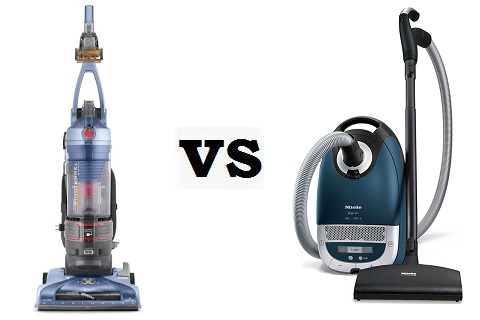
Credit: www.canistervacuumcleaner.net
What Is A Canister Vacuum
A canister vacuum is a type of vacuum cleaner that offers improved maneuverability. With the vacuum head separate from the body, it allows for easier cleaning of larger spaces and reaching areas like walls, ceilings, and blinds. Canister vacuums are known for their versatility and ability to navigate tight spaces.
Definition Of Canister Vacuum
A canister vacuum is a type of vacuum cleaner that consists of a separate canister or cylinder unit that houses the motor and dust collection system. Unlike upright vacuums, where the motor and dust bag are in the same unit, canister vacuums have a flexible hose and a wand attached to the canister. The canister can be easily moved around, allowing for greater maneuverability and ease of use.
Components Of A Canister Vacuum
A canister vacuum is made up of several key components, each playing a crucial role in its functionality. These components include:
- Canister: The main body of the vacuum, which houses the motor and dust collection system.
- Hose: A flexible tube that connects the canister to the cleaning head or attachments.
- Wand: A telescopic rod that extends the reach of the cleaning head or attachments.
- Cleaning Head: The part of the vacuum that comes into direct contact with the floor or surface being cleaned.
- Attachments: Additional tools and brushes that can be connected to the wand or hose for specialized cleaning tasks.
- Motor: The power source of the vacuum, responsible for generating suction.
- Dust Collection System: A bag or container where dirt, dust, and debris are collected during the cleaning process.
How Canister Vacuum Works
The functioning of a canister vacuum involves a combination of airflow, suction, and cleaning attachments. Here’s a simplified breakdown of how it works:
- The motor, located in the canister unit, generates suction.
- The airflow is created as air is drawn into the vacuum through the cleaning head or attachments.
- As the air passes through the hose and wand, it carries dirt, dust, and debris with it.
- The dirt, dust, and debris are then trapped in the dust collection system, either a bag or a container.
- The purified air is then expelled back into the room.
Overall, canister vacuums are known for their versatility and efficiency in cleaning different types of flooring surfaces, furniture, and hard-to-reach areas. The separation of the canister and cleaning head allows for greater flexibility and maneuverability, making them a popular choice for many households and businesses.
Advantages Of A Canister Vacuum
A canister vacuum offers numerous advantages that make it a preferred choice for many homeowners. From improved maneuverability to the ability to clean a larger space and versatility for cleaning various surfaces, a canister vacuum provides unmatched convenience and efficiency.
Improved Maneuverability
With its unique design, a canister vacuum allows for enhanced maneuverability. The separation of the head from the body enables easy movement and access to difficult-to-reach areas. The flexible wand and hose provide the freedom to clean walls, blinds, ceilings, and other areas with ease, making it a versatile and effective cleaning tool.
Ability To Clean A Larger Space
The design of a canister vacuum enables efficient cleaning of larger spaces. Its separate components and extended reach allow for thorough cleaning without the need to constantly move the entire unit. This feature is especially beneficial for homes with spacious areas, providing an effortless cleaning experience.
Versatility For Cleaning Various Surfaces
A canister vacuum excels in its ability to clean various surfaces with precision. From hardwood floors to carpets, upholstery, and delicate objects, the diverse attachments and adjustable settings make it suitable for different cleaning requirements. Its versatility ensures effective cleaning on a wide range of surfaces, delivering exceptional results.
Difference Between Canister And Upright Vacuum
A canister vacuum and an upright vacuum are two popular types of vacuum cleaners that differ in several key aspects, such as suction power, suitability for bare floors and carpets, as well as cost and convenience. Understanding these differences can help you make an informed decision when choosing the right vacuum for your cleaning needs.
Suction Power
Canister vacuums typically offer higher suction power compared to upright vacuums. The motor of a canister vacuum is housed separately from the cleaning head, allowing it to generate strong suction, making it well-suited for deep cleaning and effectively removing dirt and debris from various surfaces.
Suitability For Bare Floors And Carpets
Canister vacuums are versatile and excel in cleaning both bare floors and carpets. Their maneuverability and adjustable settings make them suitable for effectively cleaning different floor types. On the other hand, upright vacuums are specifically designed for efficient carpet cleaning, making them a preferred choice for homes with predominantly carpeted floors.
Cost And Convenience
When it comes to cost, canister vacuums tend to be more expensive than upright vacuums. However, they offer added convenience, especially when it comes to maneuverability and reaching tight spaces. Upright vacuums, while relatively more affordable, might be bulkier and less flexible when cleaning around furniture or other obstacles.

Canister Vacuum Vs. Stick Vacuum
A canister vacuum is a type of vacuum cleaner with a separate head and body, allowing for improved maneuverability and easy cleaning of larger spaces. Its wand can be moved around to clean walls, blinds, ceilings, and other areas of a property.
Suction Power And Cleaning Performance
A canister vacuum offers superior suction power, making it highly effective in picking up dirt and debris from various surfaces. Its powerful motor and specialized attachments allow for deep cleaning, ensuring a thorough and efficient cleaning performance. On the other hand, stick vacuums typically have less suction power compared to canister vacuums. While they may still be effective for light cleaning tasks, their performance might not match that of a canister vacuum when it comes to tackling heavy-duty cleaning jobs.
Maneuverability And Reach
When it comes to maneuverability and reach, canister vacuums have the upper hand. The canister unit is separate from the cleaning head, allowing for greater flexibility and ease of movement. This makes it easier to clean tight spaces, reach under furniture, and navigate around obstacles. Furthermore, the canister vacuums usually come with a long wand attachment, which extends their reach even further. Stick vacuums, while more compact and lightweight, may have limitations in reaching confined areas and may require more effort to clean certain spaces.
Purpose And Ideal Uses
Canister vacuums are versatile and well-suited for various cleaning tasks. Whether you need to vacuum carpets, hardwood floors, upholstery, or even high places like ceilings and walls, a canister vacuum can handle it all. The range of attachments and adjustable suction settings make it adaptable to different surfaces and situations. Stick vacuums, on the other hand, are generally more suitable for quick, light cleanups. They are convenient for day-to-day surface cleaning, especially in smaller homes or apartments.
Canister Vacuum Vs. Handheld Vacuum
A canister vacuum and a handheld vacuum both have their own unique features and advantages. Understanding the differences between the two can help you choose the right vacuum cleaner for your needs.
Cleaning Tight Spaces
When it comes to cleaning tight spaces, such as narrow corners or crevices, a canister vacuum outshines a handheld vacuum. With its long wand and flexible hose, a canister vacuum allows you to reach those hard-to-clean areas with ease.
Quick Clean-ups
For quick clean-ups, a handheld vacuum is the go-to choice. Its compact size and lightweight design make it convenient to grab and quickly clean small spills or messes. Whether it’s crumbs on the kitchen counter or pet hair on the sofa, a handheld vacuum can handle these small tasks effortlessly.
Small Messes Vs. Full Cleaning
If you’re dealing with small messes or spot cleaning, a handheld vacuum is an excellent option. It’s perfect for cleaning up pet hair or dust on furniture, stairs, or car interiors. On the other hand, when it comes to deep cleaning and tackling larger areas, a canister vacuum is more suitable. Its powerful suction and various attachments allow for efficient cleaning of carpets, floors, and even above-floor surfaces.
Buying Guide For Canister Vacuums
When it comes to choosing a canister vacuum, it’s important to consider your specific needs and preferences. A canister vacuum is a versatile cleaning tool that offers improved maneuverability and a range of features to tackle different surfaces and spaces. In this buying guide, we’ll explore the factors to consider, popular brands, and pricing and budget options to help you make an informed decision.
Pricing And Budget
A canister vacuum can come in a wide range of prices, depending on the brand, features, and performance. Here is a breakdown of the different price ranges:
| Price Range | Features |
|---|---|
| Under $100 | Basic models with standard features and limited accessories. |
| $100-$300 | Mid-range models with better suction power, additional attachments, and advanced filtration systems. |
| Above $300 | High-end models with superior performance, HEPA filtration, specialized cleaning tools, and advanced technologies like smart navigation. |
Factors To Consider
When choosing a canister vacuum, there are several factors you should take into account:
- Suction Power: Look for a vacuum with powerful suction to ensure effective cleaning on different surfaces, including carpets, hardwood floors, and upholstery.
- Filtration System: Consider a vacuum with a HEPA filtration system to capture and trap allergens and fine particles, improving indoor air quality.
- Attachments and Accessories: Check the available attachments, such as crevice tools, upholstery brushes, and pet hair tools, to address specific cleaning needs.
- Weight and Maneuverability: Opt for a lightweight vacuum that is easy to maneuver, especially if you have multiple floors or tight spaces to clean.
- Noise Level: If noise is a concern, look for a vacuum with good noise insulation or adjustable suction settings to reduce the noise level.
- Dust Capacity: Consider the size of the dustbin or bag and choose a vacuum that has an adequate capacity for your cleaning needs, reducing the frequency of emptying.
Popular Brands
There are several popular brands known for manufacturing high-quality canister vacuums. These brands include:
- Bissell: Known for their innovative cleaning solutions, Bissell offers a range of canister vacuums with advanced features and reliable performance.
- Miele: Miele is renowned for producing premium canister vacuums that combine powerful suction, exceptional filtration, and durable construction.
- Dyson: Dyson is known for its cutting-edge technology and innovative designs. Their canister vacuums offer powerful suction and a range of useful features.
- Panasonic: Panasonic manufactures canister vacuums that are known for their reliable performance, strong suction, and user-friendly features.
- Electrolux: Electrolux produces canister vacuums with excellent suction power, efficient filtration, and a range of attachments for versatile cleaning.
Considering these factors, pricing options, and popular brands will help narrow down your choices and find the perfect canister vacuum that meets your cleaning needs and budget requirements.
Types Of Canister Vacuum
When it comes to choosing a canister vacuum, it’s important to understand the different types available on the market. In general, there are two main types of canister vacuum cleaners: bagged and bagless. Each type has its own advantages and disadvantages, so it’s worth considering your specific cleaning needs before making a decision.
Bagged Canister Vacuum
Bagged canister vacuums, as the name suggests, use disposable bags to collect dirt and debris. These bags are typically made of cloth or paper and can be easily replaced when full. One advantage of bagged canister vacuums is that they tend to have larger dust capacities, meaning you won’t have to replace the bag as often. Additionally, bagged vacuums are known for their effective filtration capabilities, as the bags themselves act as an extra layer of filtration.
However, there are some disadvantages to using a bagged canister vacuum. One major drawback is the ongoing cost of purchasing replacement bags. Over time, the cost of buying bags can add up, making bagged vacuums slightly more expensive to maintain compared to bagless models. Additionally, it can be frustrating to run out of bags in the middle of a cleaning session, requiring you to pause and purchase new bags before you can continue.
Bagless Canister Vacuum
On the other hand, bagless canister vacuums operate without the need for disposable bags. Instead, these vacuums use a dust canister that collects dirt and debris. One major advantage of bagless canister vacuums is the cost savings in not having to repeatedly purchase replacement bags. Additionally, the transparent design of the dust canister allows you to easily see when it needs to be emptied, preventing you from overfilling it.
However, there are also some disadvantages to consider when using a bagless canister vacuum. One drawback is that the dust canister usually has a smaller capacity compared to a bagged vacuum, so you may need to empty it more frequently. Additionally, when emptying the canister, there is a chance that some dust may be released into the air, potentially causing respiratory issues for those with allergies or sensitivities.
Advantages And Disadvantages Of Each Type
| Bagged Canister Vacuum | Bagless Canister Vacuum |
|---|---|
| Advantages | Advantages |
|
|
| Disadvantages | Disadvantages |
|
|
Weight Considerations For Canister Vacuum
When it comes to choosing a canister vacuum, considering the weight is crucial as it directly impacts maneuverability and portability. The weight of the vacuum can affect how easily you can move it around and reach different areas of your home or office. Understanding the importance of weight, the recommended weight range, and its impact on maneuverability and portability can help you make an informed decision when selecting a canister vacuum.
Importance Of Weight
The weight of a canister vacuum plays a significant role in how comfortable it is to use and carry. A light-weight canister vacuum is easier to maneuver and transport between rooms, while a heavier one might be more challenging to handle, especially when cleaning stairs or high areas. Furthermore, the weight of the vacuum can also affect the strain on your arms and back during extended use.
Recommended Weight Range
Canister vacuums typically weigh between 4 to 25 pounds. An ideal weight for a canister vacuum depends on your specific cleaning needs, physical strength, and how often you will be moving it around. For most users, a canister vacuum within the range of 10 to 15 pounds offers a good balance between maneuverability and suction power.
Impact On Maneuverability And Portability
The weight of a canister vacuum directly influences its maneuverability and portability. A lightweight vacuum permits easier navigation around furniture and obstacles, making it more agile when cleaning tight spaces. On the other hand, a heavier vacuum might require more effort to move and can be less convenient when cleaning multiple areas.
Key Features And Functionality Of Canister Vacuum
Canister vacuums are versatile and powerful cleaning appliances with a range of features designed to make cleaning tasks easier and more effective. Let’s delve into the key components and functionality that define canister vacuums.
Flexible Plastic Hose
The flexible plastic hose of a canister vacuum enables easy maneuverability and reach. It allows users to clean under furniture, in tight spaces, and even above-ground, such as curtains and upholstery, ensuring thorough cleaning in diverse areas of the home.
Motor And Power Head
The motor and power head of a canister vacuum are responsible for generating powerful suction and efficient cleaning. With the motor situated in the canister unit, the power head is equipped with rotating brushes and strong suction, making it effective for deep cleaning carpets and rugs.
Main Motor, Filter, And Dust Bags
The main motor, filter, and dust bags are essential components that contribute to the overall functionality of the canister vacuum. The main motor drives the suction power, while the filter ensures that the expelled air is clean. Additionally, the dust bags efficiently trap dirt and debris, maintaining a hygienic environment.
Best Uses For Canister Vacuum
A canister vacuum is a versatile cleaning tool that is perfect for various applications. Its unique design and features allow for efficient and effective cleaning on different surfaces and in different settings. Here are some of the best uses for a canister vacuum:
Hotels And Multiple Level Properties
Canister vacuums are particularly useful for hotels and multiple level properties. The lightweight and portable design of a canister vacuum make it easy to navigate through different floors and clean hard-to-reach areas. With the wand attachment, cleaning walls, blinds, ceilings, and other areas becomes a breeze. The strong suction power ensures that every inch of the property is thoroughly cleaned and maintained.
Cleaning Various Surfaces
Whether you have hard floors, carpets, or delicate surfaces like curtains and upholstery, a canister vacuum can handle them all. It comes with different attachments and brushes specifically designed for different surfaces. The adjustable suction power allows for gentle cleaning on delicate materials and powerful suction for deep cleaning on carpets and rugs. With a canister vacuum, you can easily switch between surfaces without any hassle.
Retail And Commercial Spaces
Retail and commercial spaces often have high foot traffic, leading to a buildup of dirt, dust, and debris. Canister vacuums are the perfect solution for keeping these spaces clean and presentable. The versatile attachments and accessories make it easy to clean aisles, shelves, corners, and other hard-to-reach areas. The canister design also ensures easy maneuverability and quick cleaning, allowing for efficient maintenance of retail and commercial spaces.
Canister Vacuum Price Range
When it comes to purchasing a canister vacuum, it’s important to consider the price range. The price of a canister vacuum can range from budget-friendly options to high-end models with advanced features. Understanding the factors that affect the price, the average cost of canister vacuums, and the price range for different features can help you make an informed decision.
Factors Affecting Price
Several factors can affect the price of a canister vacuum. These factors include:
- The brand: Well-known and reputable brands tend to have higher price points due to their quality and performance.
- Power and suction: Canister vacuums with higher power and suction capabilities usually come at a higher price.
- Attachments and accessories: The number and quality of attachments and accessories included in the package can impact the price.
- Filtration system: Canister vacuums with advanced filtration systems, such as HEPA filters, may cost more.
- Build quality and durability: Canister vacuums made with high-quality materials and durable construction can have higher price tags.
Average Cost Of Canister Vacuums
The average cost of canister vacuums can vary depending on the brand, features, and specifications. Generally, you can expect to find entry-level canister vacuums starting at around $100. Mid-range options typically range from $200 to $500, offering a balance between performance and affordability. High-end canister vacuums with advanced features can cost anywhere from $500 to $1000 or more.
Price Range For Different Features
The price range for canister vacuums with different features can vary significantly. Here’s a breakdown of some common features and their corresponding price ranges:
| Feature | Price Range |
|---|---|
| Bagged vs. Bagless | Budget-friendly options can start around $100, while higher-end models can exceed $500. |
| Power and Suction | Basic models with adequate power and suction can be found in the $100 to $200 range. High-performance models with powerful motors can cost $300 or more. |
| Attachments | Models with a few basic attachments may fall in the $100 to $300 range. Canister vacuums with a wide range of specialized attachments and accessories can cost upwards of $500. |
| Filtration System | Canister vacuums with standard filtration systems are typically priced between $100 and $300. Models with advanced filtration, such as HEPA filters, can range from $300 to $800. |
| Build Quality and Durability | Canister vacuums built with durable materials and designed for long-lasting performance tend to start around $300 and can go up to $1000 or more. |
It’s important to remember that these price ranges are approximate and can vary based on current promotions, discounts, and market conditions. Carefully considering your cleaning needs, budget, and desired features will help you find the right canister vacuum within your price range.

Frequently Asked Questions For What Is A Canister Vacuum
What Is The Benefit Of A Canister Vacuum?
Canister vacuums offer improved maneuverability with the head separated from the body for easy cleaning of large spaces and hard-to-reach areas.
What Is The Difference Between A Canister And Upright Vacuum?
A canister vacuum has a separate body and head, ideal for maneuverability. Upright vacuums are efficient on carpets and cost less.
Which Is Better Canister Or Stick Vacuum?
Canister vacuums are better than stick vacuums because they offer improved maneuverability and better suction power. They can easily clean larger spaces and reach areas like walls, ceilings, and blinds. Stick vacuums are ideal for quick clean-ups, while canister vacuums are better for deep cleaning.
Which Is Better Canister Or Handheld Vacuum Cleaner?
A canister vacuum is better for maneuverability and cleaning larger spaces, while a handheld vacuum cleaner is ideal for small messes and quick clean-ups. Canister vacuums have better suction power, while handheld vacuums are more compact and portable. It depends on your cleaning needs and preferences.
Conclusion
A canister vacuum offers numerous benefits, making it an excellent choice for your cleaning needs. One major advantage is its improved maneuverability. With the head separated from the body, cleaning larger spaces becomes easier. The wand can also be easily moved around to clean walls, blinds, ceilings, and other hard-to-reach areas.
Canister vacuums are quieter and provide better suction for bare floors. While they may cost more than upright vacuums, their versatility and performance make them a worthwhile investment. Consider a canister vacuum for efficient and convenient cleaning.