
Canister and upright vacuums differ in terms of suction power, maneuverability, and cost. Canister vacuums tend to have better suction due to the shape of the canister, which provides a boost in power.
They are also more maneuverable as the head of the vacuum cleaner is separated from the body, allowing for easier cleaning of larger spaces and walls. On the other hand, upright vacuums are efficient carpet cleaners and are less expensive compared to canister vacuums.
They are also easier to move and store. Overall, the choice between a canister and upright vacuum depends on your specific cleaning needs and preferences.
Canister Vacuum
When it comes to selecting the right vacuum for your needs, understanding the key differences between canister and upright vacuums can be crucial. In this comparison, let’s start by exploring the features of a canister vacuum and how it distinguishes itself from upright vacuums.
Improved Maneuverability
A significant advantage of canister vacuums is their improved maneuverability. The separated head of the vacuum cleaner from the body allows for easy cleaning of a larger space. Furthermore, the wand can be effortlessly maneuvered around to clean walls, blinds, ceilings, and other areas, providing excellent flexibility during cleaning tasks.
Advantages Of Canister Vacuums
- Portability: Canister vacuums are generally lighter and easier to move around, making them ideal for cleaning various surfaces and spaces.
- Effective on hard floors and above-floor surfaces: The design of canister vacuums makes them highly effective for cleaning hard floors and reaching above-floor areas with ease.
- Better suction power: Canister vacuums often offer superior suction power due to the design and shape of the canister, allowing for efficient cleaning of different surfaces.
Disadvantages Of Canister Vacuums
- Storage: Canister vacuums may require more storage space due to their separate components compared to upright vacuums, which could be a consideration for those with limited storage options.
- Dragging the canister: Some users may find it cumbersome to drag the canister behind them while cleaning, especially on carpeted surfaces or stairs.
- Cost: Canister vacuums can be more expensive compared to upright vacuums, which may impact budget-conscious consumers.

Upright Vacuum
When it comes to choosing between a canister and upright vacuum, the main difference lies in their design and functionality. Canister vacuums offer improved maneuverability and versatility, while upright vacuums are known for their powerful suction and ease of use.
Ultimately, the choice depends on your specific cleaning needs and preferences.
Efficient Carpet Cleaning
An upright vacuum is known for its efficient carpet cleaning capabilities. Its design and powerful suction make it highly effective in removing dirt, dust, and debris from carpets. The brush roll in an upright vacuum agitates the carpet fibers, allowing the vacuum to pick up more dirt and provide a deep and thorough clean.
Additionally, upright vacuums often have adjustable height settings, allowing you to customize the cleaning height according to different carpet lengths. This ensures that the vacuum is always at the optimal height to clean the carpet effectively, regardless of its thickness.
Less Expensive And Easier To Move And Store
Unlike canister vacuums that come with separate components, an upright vacuum has a compact and integrated design. This makes it less expensive compared to canister vacuums and easier to move and store.
With no separate canister to carry around, an upright vacuum is lightweight and maneuverable. Its slim profile allows it to easily navigate around furniture and tight spaces, making it convenient for cleaning various areas of your home.
When it comes to storage, an upright vacuum takes up less space compared to canister vacuums. Its compact design allows you to easily find a suitable spot to store it, whether it’s in a closet or tucked away in a corner.
Suction Power
When it comes to suction power, canister vacuums have the upper hand over uprights. The body and shape of the canister contribute to its strong suction, making it more effective in cleaning. Additionally, canisters offer improved maneuverability and the ability to clean larger spaces.
is the difference in suction power between a canister and an upright vacuum? Let’s dive into it.
Difference In Suction Power
When it comes to suction power, canister and upright vacuums are not equal. Canister vacuums have the upper hand in this department. The body and shape of the canister play a crucial role in enhancing its suction power. While the motor is the primary benefactor, the unique design of the canister adds a significant boost. The canister’s shape allows for a more efficient airflow, resulting in better suction and debris removal. Its compact size and flexible hose enable the canister to reach tight corners, under furniture, and areas that may be difficult for upright vacuums to access. This versatility not only makes cleaning easier but also ensures thorough cleaning of different surfaces. On the other hand, upright vacuums have a more straightforward design, with the motor and vacuum head combined into a single unit. This design does not provide as much flexibility as a canister vacuum. However, some modern upright vacuums do offer comparable suction power by incorporating innovative technologies. In conclusion, if you prioritize suction power, a canister vacuum is the better option. Its unique shape and design allow for improved airflow, resulting in stronger suction and more effective cleaning. Let’s now explore the body and shape of canister vacuums in more detail.
Body And Shape Of Canister Vacuum
The body and shape of a canister vacuum are what set it apart from upright vacuums. Canister vacuums consist of a separate body and hose, which provide several advantages. Firstly, the canister’s compact size makes it lightweight and easy to maneuver. It can effortlessly glide across different surfaces, including carpets, hardwood floors, and tiles. The design allows for easy cleaning around furniture and reaching areas like stairs, crevices, and curtains. Secondly, the hose attachment provides greater flexibility and reach. You can easily navigate the hose around obstacles, ensuring a thorough cleaning of every nook and cranny. This versatility makes canister vacuums an excellent choice for multi-level homes or houses with various floor types. Additionally, the canister’s body houses the motor, which contributes to its excellent suction power. The motor is positioned away from the vacuum head, reducing noise during operation. This means you can enjoy a quieter cleaning experience without compromising on performance. To summarize, the unique body and shape of a canister vacuum make it more agile, versatile, and efficient in cleaning. Its lightweight design and flexible hose provide easy maneuverability, and the motor’s position enhances suction power while reducing noise. In comparison, upright vacuums have a more straightforward design, with the motor and vacuum head combined into a single unit. While they may not offer the same level of flexibility and range as canister vacuums, some models still provide powerful suction for effective cleaning. Now that we understand the difference in suction power and body shape, we can make a more informed decision about which type of vacuum suits our needs.

Comparison
When choosing a vacuum cleaner, understanding the differences between canister and upright vacuums is crucial to making an informed decision. From maneuverability, price, to cleaning performance, each type has its own set of advantages and drawbacks. Let’s compare canister and upright vacuums to help you decide which one suits your needs.
Canister Vs. Upright Vacuums
Canister vacuums and upright vacuums differ significantly in their design and functionality. Canisters consist of a body unit with a wand and a separate powerhead, whereas upright vacuums feature an all-in-one body with the cleaning head directly attached.
Price Difference
When it comes to the price, canister vacuums are generally more expensive than upright vacuums due to their additional components and versatility. Upright vacuums, on the other hand, tend to be more budget-friendly and offer competitive performance within a lower price range.
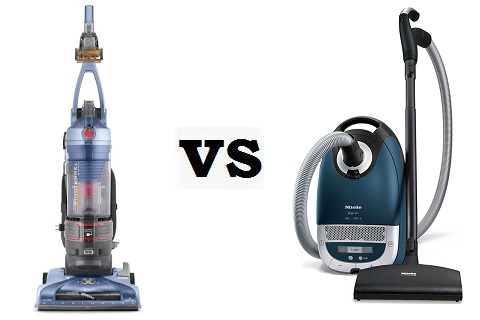
Credit: www.canistervacuumcleaner.net
Frequently Asked Questions Of What Is The Difference Between A Canister And Upright Vacuum
What Vacuum Is Better A Canister Or An Upright?
When it comes to choosing between a canister and upright vacuum, it depends on your cleaning needs. Canister vacuums are better for maneuverability while upright vacuums are efficient for carpet cleaning. Both have unique advantages, so consider your specific requirements.
Always prioritize suction power for effective cleaning.
Why Would I Want A Canister Vacuum?
A canister vacuum is beneficial for improved maneuverability and cleaning larger spaces. Its separated head allows for easy movement and cleaning of walls, blinds, ceilings, and other areas. It provides better suction for bare floors and is usually quieter, but it may cost more compared to upright vacuums.
Which Is Better Cylinder Or Upright Vacuum?
Canister vacuums offer better suction and maneuverability, making them ideal for bigger spaces and cleaning walls, blinds, and ceilings. Upright vacuums, on the other hand, are efficient for carpets and easier to move and store. Choose according to your cleaning needs.
What Are The Disadvantages Of A Canister Vacuum?
The disadvantages of a canister vacuum include limited suction power, complex maneuverability, potential storage issues, and difficulties in moving around.
Conclusion
Both canister and upright vacuums offer distinct features and benefits. Canister vacuums excel in flexibility and maneuverability, making them perfect for cleaning a variety of surfaces and hard-to-reach areas. On the other hand, upright vacuums are efficient for carpet cleaning and are generally more budget-friendly.
Consider your specific cleaning needs and preferences when choosing between these two types of vacuums.